Trump's War Crimes Threat Ignites Global Outrage and Legal Debate
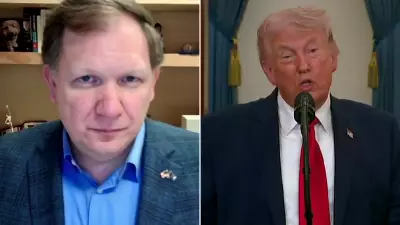
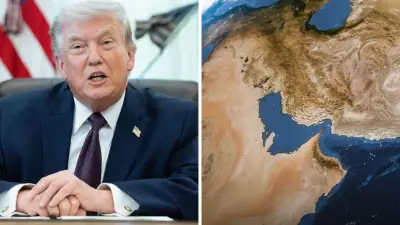
In a shocking development that has reverberated across the international community, former United States President Donald Trump has issued explicit threats to commit war crimes, sparking widespread condemnation and urgent legal scrutiny. This alarming rhetoric, delivered during a recent public address, has not only drawn fierce criticism from human rights organizations and foreign governments but has also raised profound questions about the potential consequences for global stability and the enforcement of international law.
International Condemnation and Diplomatic Fallout
The threats made by Trump have triggered an immediate and forceful response from world leaders and diplomatic circles. Numerous countries have expressed deep concern, with some issuing formal statements denouncing the remarks as a blatant violation of established international norms. Human rights groups, including Amnesty International and Human Rights Watch, have labeled the threats as dangerous and irresponsible, warning that such language could embolden other actors and undermine decades of progress in humanitarian law.
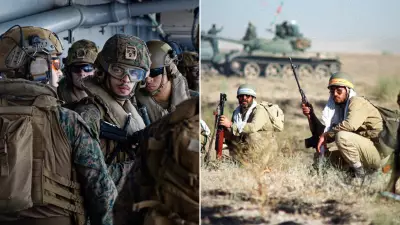
Legal experts are particularly alarmed, noting that war crimes—such as targeting civilians, torture, or unlawful killings—are strictly prohibited under treaties like the Geneva Conventions. Trump's statements, if acted upon, could potentially lead to prosecution in international courts, including the International Criminal Court (ICC), although jurisdictional challenges involving US citizens complicate this scenario.

Domestic Political and Legal Repercussions
Within the United States, the reaction has been sharply divided along political lines. Supporters of Trump have downplayed the threats as mere rhetoric or political posturing, while opponents and some lawmakers have called for investigations and accountability measures. Constitutional scholars debate whether such threats could violate domestic laws or presidential norms, though no immediate legal action has been taken at the federal level.
The incident has also reignited discussions about the role of former presidents in shaping public discourse and national security policy. Critics argue that Trump's continued influence poses a risk to democratic institutions and international relations, especially in a volatile geopolitical climate marked by conflicts in regions like Ukraine and the Middle East.
Implications for Global Security and Future Accountability
Beyond the immediate outrage, Trump's threats have broader implications for global security and the rule of law. Analysts warn that normalizing such language could erode trust in international agreements and encourage similar behavior by other leaders, potentially escalating conflicts and humanitarian crises. The situation underscores the fragile nature of global governance and the need for robust mechanisms to hold powerful figures accountable, regardless of their political stature.
In response, some nations are reportedly considering diplomatic measures, such as sanctions or travel restrictions, to signal their disapproval. Meanwhile, advocacy groups are mobilizing to raise awareness and pressure authorities to take concrete steps, emphasizing that impunity for war crimes threats sets a dangerous precedent for future generations.
As the world watches closely, this episode serves as a stark reminder of the ongoing challenges in upholding human rights and preventing atrocities. It highlights the critical importance of vigilance, legal frameworks, and international cooperation in safeguarding peace and justice in an increasingly interconnected world.