US Military Prepares for Prolonged Ground Operations in Iran
The Pentagon is actively preparing for weeks of ground operations in Iran, according to a report from the Washington Post, as the conflict in the Middle East enters its fifth week. This development signals a potential escalation in the ongoing war, which began with US and Israeli strikes on Iran on February 28.
Troop Deployments and Strategic Plans
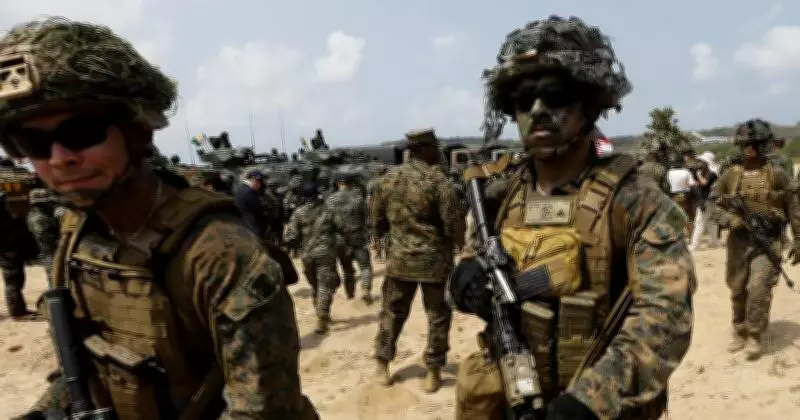
US officials have indicated that the plans could involve raids by Special Operations forces and conventional infantry troops. The Trump administration has already deployed Marines to the Middle East, with the first contingent arriving on Friday aboard an amphibious assault ship. Additionally, thousands of soldiers from the US Army's 82nd Airborne Division are expected to be sent to the region soon.
Secretary of State Marco Rubio stated that the US aims to conclude military operations within weeks, but acknowledged that ground troops are being deployed to provide President Donald Trump with maximum flexibility to adjust strategy as needed. However, it remains uncertain whether Trump will approve the proposed ground operations.

Regional Escalations and Houthi Attacks
Meanwhile, Yemen's Iran-aligned Houthis have launched their first attacks on Israel since the conflict started, using missiles and drones. Houthi military spokesperson Yahya Saree vowed to continue these operations until what the group calls the aggression on all fronts ends. These attacks highlight a new threat to global shipping, particularly in the Bab al-Mandab Strait, a critical chokepoint for sea traffic.
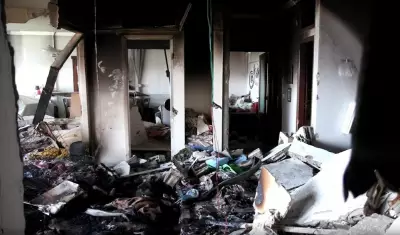
Israel has responded with a wave of attacks on Tehran, targeting infrastructure sites, and has resumed its war against Iran-backed Hezbollah in Lebanon. Tragically, strikes in Lebanon have killed three Lebanese journalists and a Lebanese soldier, with follow-up attacks on rescue workers causing further fatalities. Israel's military accused one of the journalists of being part of a Hezbollah intelligence unit.
Diplomatic Efforts and Economic Impact
On the diplomatic front, Iranian President Masoud Pezeshkian spoke with Pakistan's Prime Minister Shehbaz Sharif, whose government will host a meeting with Turkish and Saudi foreign ministers on Sunday to ease regional tensions. Despite these efforts, there is no sign of an immediate breakthrough.
The war has had severe economic consequences, with the Brent crude oil benchmark rising more than 50% since the conflict began due to disruptions in global energy supplies. Iranian threats have kept most oil tankers from using the Strait of Hormuz, though some vessels, including those from Pakistan and India, have traversed it safely after receiving assurances. Pakistan's Foreign Minister Ishaq Dar announced that Iran has agreed to allow an additional 20 Pakistani-flagged vessels to pass through the strait.
Political and Social Reactions
With midterm elections approaching in November, the increasingly unpopular war is weighing on Trump's Republican Party. Demonstrators across the US took to the streets on Saturday in anti-Trump rallies, calling for action against the war on Iran. Trump has threatened to escalate the conflict by targeting Iranian power stations if Iran does not open the Strait of Hormuz, but he has extended a deadline for Iran to respond by another 10 days.
As the situation unfolds, the Pentagon's preparations for ground operations underscore the high stakes and potential for further escalation in this volatile region.