World Leaders Unite to Demand Iran Reopen Vital Oil Passage
An international coalition of world leaders, including representatives from Australia, is preparing to issue a forceful demand for Iran to immediately cease its blockade of the strategically critical Strait of Hormuz. This obstruction has triggered severe petrol shortages and sent fuel prices skyrocketing across the globe, creating an urgent economic and energy crisis.
Emergency Maritime Council Session Convenes
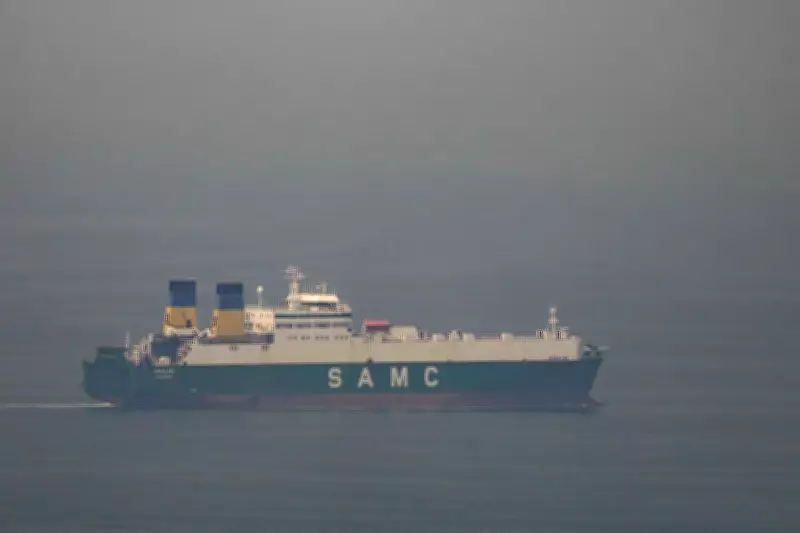
An emergency session of the International Maritime Council was ordered on Wednesday, where global leaders are expected to formally condemn Iran's aggressive attacks on seafarers and merchant vessels navigating the narrow waterway. The Strait of Hormuz serves as the transit route for approximately twenty percent of the world's total oil shipments, making it one of the planet's most vital energy corridors.
The forthcoming declaration will explicitly demand that Iran immediately refrains from closing or obstructing this crucial maritime passage. The blockade has already resulted in significant fuel shortages worldwide, with subsequent price surges affecting consumers and industries alike. Some nations, such as Sri Lanka, have been forced to implement extreme measures including a four-day work week due to the severity of the fuel shortages.

Iran's Defiant Stance and Global Response
Iran has defiantly shut the vital energy gateway, through which a full fifth of global oil and liquefied gas passes, declaring it "won't even allow a litre of oil" to reach the United States, Israel, or their partners. In response, Australia is joining other nations in calling for coordinated international measures to prioritize the safe passage of stranded vessels currently trapped in the strait.
"We are working with our partners to reinforce the importance of the safety and security of seafarers crossing the Strait of Hormuz," a spokesperson for Australian Minister Catherine King stated. "This is just one of the measures our Government has taken since the beginning of the conflict to protect our fuel supply and defend our national interests. This Government will continue working constructively with industry, unions and our international partners to keep people and goods moving freely."
Trump's Controversial Proposal and Diplomatic Tensions
Former US President Donald Trump stirred controversy on Wednesday by suggesting that American allies should assume sole responsibility for policing the Strait of Hormuz if the United States were to cause the collapse of the Iranian regime. "I wonder what would happen if we 'finished off' what's left of the Iranian Terror State, and let the Countries that use it, we don't, be responsible for the so called 'Straight?'" Trump wrote on his Truth Social platform. "That would get some of our non-responsive 'Allies' in gear, and fast!!!"
Trump has been openly criticizing European nations after they rebuffed his demands to deploy warships for escorting oil tankers through the volatile strait. Meanwhile, Iran's foreign minister indicated on Wednesday that after the current conflict concludes, countries bordering the Gulf should draft a new protocol for the Strait of Hormuz. This proposed protocol would ensure safe passage through the narrow waterway under conditions aligned with Iranian and regional interests.
Escalating Regional Conflict and Security Concerns
The situation remains dangerously volatile as Israel claims to have killed another top Iranian official, marking the third such incident in just two days. Israeli Defence Minister Israel Katz announced that Iranian Intelligence Minister Esmail Khatib was killed in an overnight strike, adding that "significant surprises are expected throughout this day on all fronts." Iran has not immediately confirmed Khatib's death.
This development follows Israel's elimination of top Iranian security official Ali Larijani and the head of the paramilitary Revolutionary Guard's Basij force on Tuesday. Khatib, a Shi'ite cleric who had served as Iran's intelligence minister for the past five years, was considered exceptionally well-connected within Iranian security circles. The United States had imposed sanctions on Khatib in 2022 over alleged cyberattacks commissioned by the Iranian Ministry of Intelligence.

Nuclear Stance and Diplomatic Complexities
Iran's Foreign Minister Abbas Araqchi has told Al Jazeera that Iran's stance against developing nuclear weapons will not significantly change, though he cautioned that the new supreme leader has yet to publicly express his views on the matter. Former Supreme Leader Ayatollah Ali Khamenei, who was killed early in the US-Israeli war against Iran, had opposed weapons of mass destruction development through a religious edict issued in the early 2000s.
Araqchi emphasized that an end to the war would only be conceivable if the conflict permanently concludes throughout the region and Iran receives compensation for damages incurred. When questioned about Iranian strikes in the Gulf affecting residential and commercial areas, Araqchi explained this occurred because US forces had relocated to urban areas. "Wherever there were American forces gathering, wherever there were facilities belonging to them, they were targeted. It is possible some of these places were near urban areas," the top Iranian diplomat stated.
International Naval Coalition Challenges
The United States has been attempting to build a naval coalition to escort vessels navigating the strait, but most NATO allies have expressed reluctance to become involved in military operations against Iran. France, a NATO member, stated it would only consider joining a joint international coalition to secure passage through the strait following a ceasefire and prior negotiations with Tehran.
As airstrikes continue between Israel and Iran, the global community watches anxiously, recognizing that the blockade of the Strait of Hormuz represents not just a regional security issue but a genuine threat to worldwide energy stability and economic security. The emergency International Maritime Council session represents a critical diplomatic effort to resolve this escalating crisis before it causes further global disruption.