Airstrikes Expand Middle East Conflict, Drawing in 13 Nations
Intensifying airstrikes have dramatically escalated the ongoing Middle East war, now involving 13 countries across multiple fronts, according to recent reports. This expansion marks a significant broadening of the conflict, with nations from various regions being dragged into the hostilities, raising alarms about regional stability and global security implications.
Escalation Across Multiple Fronts
The conflict, which has been simmering for months, has seen a sharp increase in airstrikes targeting key strategic locations. Military analysts report that these operations are not isolated but part of a coordinated effort that spans several countries, creating a complex web of engagements. The involvement of 13 nations suggests a shift from localized skirmishes to a more widespread regional war, with air power playing a central role in the escalation.
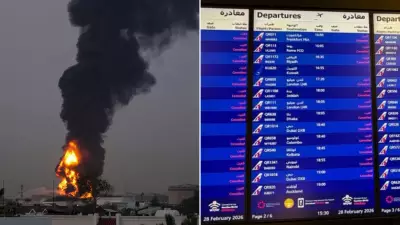
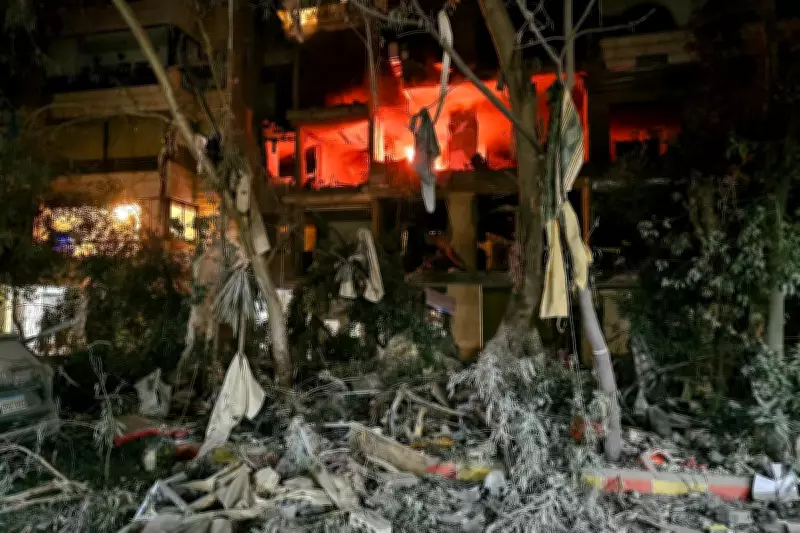
Sources indicate that the airstrikes have targeted infrastructure, military installations, and civilian areas, leading to heightened casualties and displacement. This multi-front approach has strained diplomatic efforts, as countries struggle to manage the fallout and prevent further spread of the conflict. The situation is described as volatile, with no immediate signs of de-escalation.

International Involvement and Global Concerns
The participation of 13 countries in the conflict underscores its international dimension, drawing in nations from beyond the Middle East. This includes both direct military involvement and support roles, such as logistics and intelligence sharing. The broadening scope has prompted urgent calls from global organizations for restraint and dialogue to avert a larger crisis.
Experts warn that the escalating airstrikes could destabilize not only the Middle East but also have ripple effects on global economies and security. The risk of proxy wars and increased terrorism is a major concern, as non-state actors may exploit the chaos. International leaders are monitoring the situation closely, with some advocating for increased humanitarian aid to affected populations.
In summary, the Middle East war has entered a new phase with airstrikes expanding the conflict to involve 13 countries, highlighting the urgent need for diplomatic solutions to prevent further escalation and protect regional stability.