Middle East Conflict Throws Australian Europe Travel Plans into Chaos
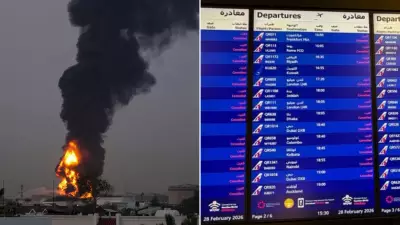
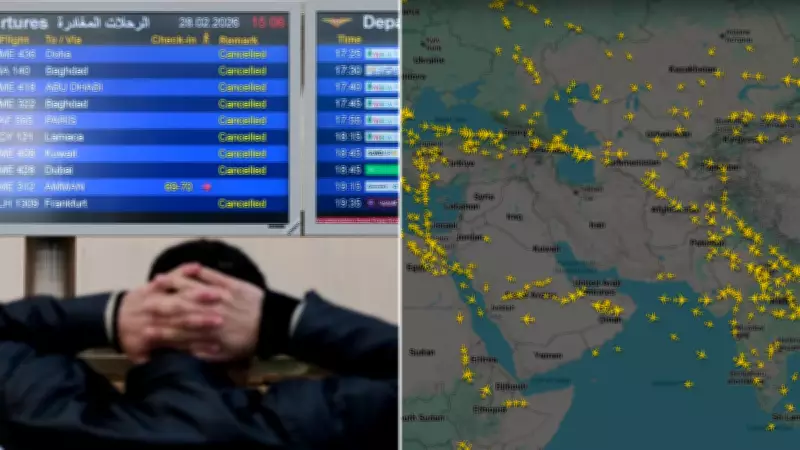
The ongoing war chaos in the Middle East is severely disrupting Australians' travel plans to Europe, as airlines scramble to avoid conflict zones and reroute flights. Major carriers, including Emirates, Qatar Airways, and Etihad, have slashed schedules and cancelled hundreds of services, with Virgin Australia also scrapping its codeshare with Qatar Airways. This disruption affects approximately 10 per cent of Australia's international seat capacity, effectively removing a key corridor for travel to Europe.
Airlines Pivot to Asia as Key Alternative Route
In response to the Middle East disruptions, airlines are rapidly shifting focus towards Asia, driving a significant surge in capacity. Industry experts project that one-stop services between Australia and Europe via Asian hubs are set to grow by an impressive 66 per cent within the next 10 months. This strategic move aims to provide viable alternatives for travellers amidst the ongoing conflict.
Qantas continues to connect Australia and Europe through Singapore, although its codeshare partnership with Emirates via Dubai has been impacted by the current situation. The Flying Kangaroo has been forced to reroute its previously non-stop Perth–London service, now adding a stopover in Singapore. This change introduces around 60 extra seats per flight but also increases travel times and costs as global flight paths are pushed onto longer routes over Central Asia and the southern hemisphere.

European and Asian Carriers Expand Services
European airlines are actively expanding alternative routes to accommodate the shift in demand away from the Middle East. German national carrier Lufthansa is redeploying aircraft into Asia after suspending flights to conflict-affected regions, while Cathay Pacific is adding services to Europe via Hong Kong. These adjustments reflect a broader industry trend towards diversifying travel options.
British Airways will resume flights to Melbourne for the first time since 2006, launching a daily London–Melbourne service via Kuala Lumpur starting January 9, 2027. This move is timed to coincide with major events like the Australian Open and Formula 1 Grand Prix. Despite reducing seats on its London–Sydney route by switching to smaller aircraft, the airline aims to boost overall capacity to Australia. "We know there is short-term demand as a result of the situation in the Middle East," said chief planning and strategy officer Neil Chernoff. "To support customers with alternative routes from popular destinations we have already launched additional flights, and we will continue to monitor customer demand and add flights to our schedule if we’re able to do so."
New Entrants and Route Adjustments
Finnair, the national flag carrier of Finland, is set to enter the Australian market for the first time, launching a Melbourne route via Bangkok. The airline will operate daily flights from Helsinki to Melbourne using Finnair A350 aircraft, with services starting from October 2026 onwards. This expansion highlights the growing importance of Asian stopovers in the revised travel landscape.
Turkish Airlines already serves Melbourne via Singapore and Sydney via Kuala Lumpur, but pre-war plans for non-stop flights from Istanbul to Sydney and Melbourne have not yet been reconfirmed. Additionally, routes via the United States are making a comeback, with travellers increasingly using hubs like Los Angeles, San Francisco, and Dallas-Fort Worth to connect to Europe. Qantas is exploring options to redeploy capacity onto these routes and is boosting its Sydney–New York service via Auckland to daily flights during peak travel months in 2026.
Long-Term Impacts on Global Aviation
The fallout from the Middle East conflict is expected to have lasting effects on global travel, with aviation authorities warning that the crisis will reshape networks well beyond the immediate disruptions. "The ongoing conflict in the Middle East is seeing significant impacts on the aviation sector with airspace closures and network disruptions," stated Airservices Australia. "The long-term economic and geopolitical impacts of the conflict are likely to be significant and the extent of these effects will take some time to emerge."

As airlines continue to adapt, the redrawing of flight paths and increased focus on alternative routes via Asia and the United States underscore the profound and ongoing challenges posed by the Middle East war chaos. Travellers are advised to stay informed about schedule changes and consider flexible booking options in this volatile environment.