Middle East Conflict Intensifies, Triggering Worldwide Fuel Shortages
The war in the Middle East has now entered its third week, with the conflict spreading to Europe and escalating across the region. This follows air strikes by the United States and Israel against Iran, which resulted in the death of Ayatollah Ali Khamenei and other senior leaders. The military action, known as Operation Epic Fury, has sent shockwaves through global sectors including shipping, air travel, and oil markets.
Global Economic Impact and Energy Disruption
Warnings of rising energy costs and significant business disruption are mounting, particularly in strategic waterways that serve as vital global trade hubs. The closure of the Strait of Hormuz by Iran has effectively removed approximately one-fifth of the world's fuel supply from the market, exacerbating the crisis.
Australian Petrol Stations Face Severe Shortages
In Australia, the worldwide fuel shortage is beginning to have a tangible impact. Dozens of petrol stations across Sydney have reported running dry, with pumps empty and prices skyrocketing at unprecedented rates. Approximately 80 stations are understood to have exhausted their diesel supplies and will struggle to refill tanks for several days.

One station in Cherrybrook, for instance, placed tape around its petrol bowsers on Friday morning after running out of both diesel and unleaded fuel. This situation prompted the federal government to announce a four-step plan aimed at securing Australia's fuel supply in response to the Middle East turmoil.
Record Petrol Price Increases in Australia
Australia currently ranks equal third globally for the highest petrol price increases since the conflict began. In some areas of Sydney, unleaded fuel prices have reached $3 per litre, marking a significant burden on consumers. The federal government's plan is a direct response to these escalating costs and supply chain disruptions.
International Tensions and Media Safety Concerns
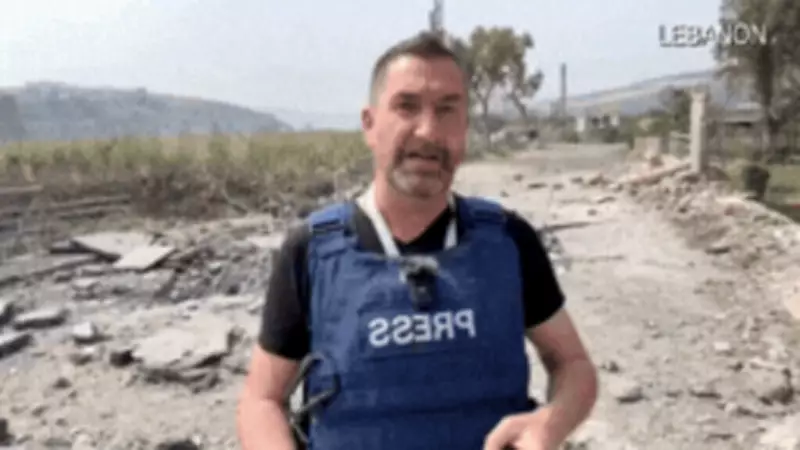
Meanwhile, international tensions continue to rise. Russia has condemned an Israeli attack on Russian press personnel in southern Lebanon, describing it as not "accidental." Reporter Steve Sweeney from Russian state-owned media Ruptly was injured while wearing a press vest during an on-air report, with his camera operator also harmed in the incident.
The Russian Foreign Ministry highlighted this as part of a pattern, noting the killing of 200 journalists in Gaza and emphasizing that attacks on media workers are unacceptable. In response, the Israeli Defence Force stated that it does not target civilians or journalists and operates in accordance with international law, having issued warnings prior to the attack.
Retaliatory Actions and Regional Escalation
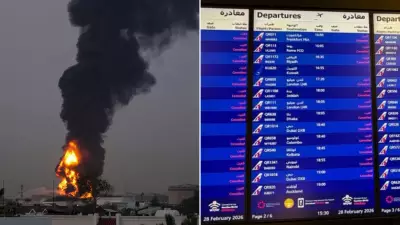
In retaliation, Iran has launched widespread missile attacks across the Middle East, targeting key infrastructure such as Israel's oil refinery in Haifa and energy facilities in Saudi Arabia, Qatar, and Kuwait. These actions further complicate the regional conflict and contribute to the global economic instability, particularly in energy markets.
The ongoing war underscores the interconnected nature of global conflicts and their far-reaching effects, from geopolitical tensions to everyday economic challenges like fuel availability and pricing.