Middle East Travel Disruption Not Covered by Insurance
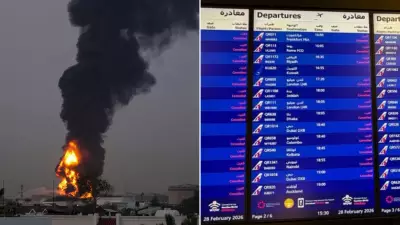
With Middle East airspace closed or restricted due to escalating military actions, Western Australian travellers on Qatar Airways and Emirates flights have encountered widespread cancellations and delays. This situation arises as the United States and Israel targeted Iran, prompting retaliatory measures. Notably, travel insurance is unlikely to provide coverage for rerouting, cancellation, or delays linked to this conflict, leaving many passengers in a precarious position.
How the Disruption Unfolded
The military actions triggered extensive airspace closures across parts of the Middle East, leading to significant disruptions in international aviation and Gulf hub routes. Major carriers such as Qatar Airways, Emirates, and Etihad Airways suspended or cancelled services, while international airlines including Singapore Airlines, British Airways, Lufthansa, and Air India rerouted or paused some Middle East operations. As of now, airspace restrictions over Iran, Iraq, and neighbouring countries continue to affect flight schedules, with services only set to resume once civil aviation authorities confirm safety.
Insurance Limitations Explained
Natalie Ball, Managing Director of Comparetravelinsurance.com.au, clarifies that standard travel insurance policies generally exclude coverage for events stemming from war, military action, hostilities, or official airspace closures. She emphasises that these exclusions are common across most policies, meaning claims for cancelled flights, delays, or additional expenses related to these developments are unlikely to be honoured. Importantly, the timing of policy purchase does not override this exclusion; even if bought well before the events, the broad market-wide exclusion still applies.

Steps for Affected Travellers
For those impacted by flight disruptions, Natalie advises dealing directly with airlines or travel providers first. If an airline cancels a flight, passengers are generally entitled to a refund or alternative transport. Many carriers are issuing travel waivers that allow rebooking without change fees or provide credits. Accommodation providers may offer flexible cancellation or rescheduling options, though this depends on booking terms. Travellers should monitor official advisories and airline communications closely, as this remains a fluid situation.
Impact of Government Warnings
Official government advisories, such as Do Not Travel warnings, can further affect insurance coverage. When a destination is under such a warning, insurers are typically unable to provide cover for related claims, and travelling against these advisories may reduce access to assistance. Policies often exclude not only war but also related events like civil unrest and military operations, highlighting the need for travellers to read product disclosure statements carefully to understand coverage limits.
Preparing for Future Travel
In times of geopolitical instability, Natalie recommends choosing flexible fares and accommodation with favourable cancellation terms, as flexibility often proves more valuable than relying on insurance. She stresses that travel insurance is designed for unexpected events but excludes war-related disruptions, a common misconception. Being informed about policy details is crucial, and preparation and awareness are key during heightened tensions. Comparetravelinsurance.com.au, Australia's leading comparison site for travel insurance, offers unbiased information and compares a range of policies for various travellers and destinations.
Australian Airline Responses
Virgin Australia confirmed that several partner Qatar Airways flights between Australia and Doha were cancelled or returned mid-flight due to Qatar's airspace closure, advising customers to contact them for refunds, rebooking, or credits. Qantas Airways reported no cancellations of its operated flights but noted potential adjustments to flight paths for safety, with direct customer communication if bookings are affected.