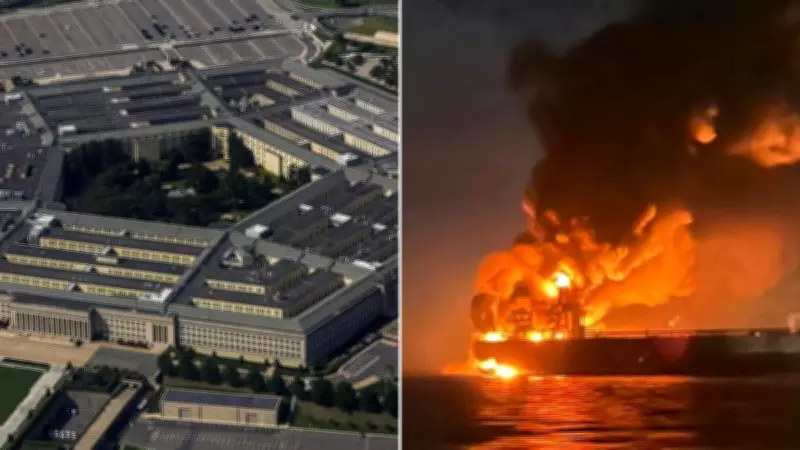
The war in the Middle East has entered its second month, with a fragile ceasefire holding as the conflict spreads to Europe and escalates across the region. The escalation follows air strikes launched by the United States and Israel against Iran, which resulted in the death of Ayatollah Ali Khamenei and other senior leaders.
Operation Epic Fury
The initial strikes, code-named Operation Epic Fury, sent shockwaves through multiple sectors, including shipping, air travel, and oil. The attacks have led to rising energy costs and significant disruption to business in the strategic waterway, which is a global trade hub.
Key Developments
- Mine clearance in the Strait of Hormuz: A Pentagon official has reportedly estimated that it could take six months to completely clear the Strait of Hormuz of deadly mines. The estimate was shared with Congress in a classified briefing for lawmakers and members of the House Armed Services Committee on Tuesday, according to three officials familiar with the discussion.
- Number of mines: Officials indicated that there could be more than 20 mines in and around the Strait of Hormuz.
- Timing of clearance: An operation to clear the Iranian-laid mines would only begin after the war ends, meaning safe transit could be impacted for months to come.
Official Responses
Pentagon spokesperson Sean Parnell told The Washington Post that the disclosure was made in a classified briefing and was “inaccurate.” Parnell stated that publishing the information amounted to “false claims.” US Central Command, which oversees operations in the region, declined to comment.

The situation remains fluid, with the conflict showing no signs of de-escalation. The international community is closely monitoring the impact on global trade and energy markets.