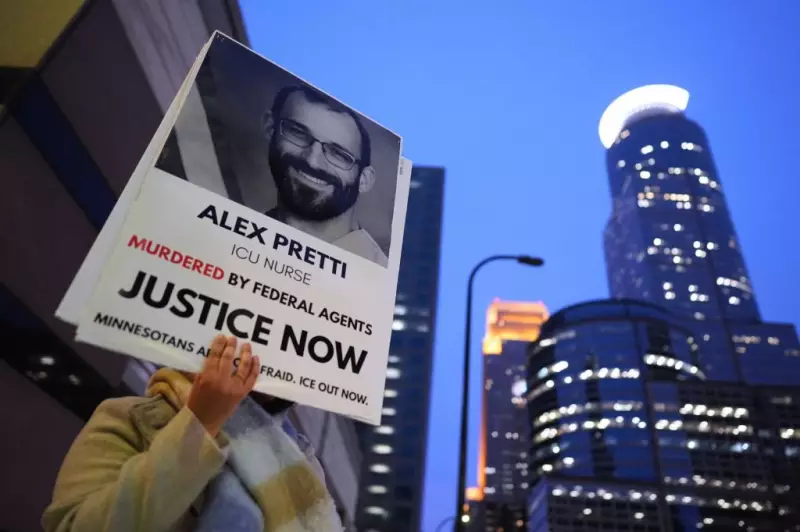
The fatal police shooting of Alex Pretti in Minneapolis has emerged as a highly significant event, resonating deeply within the community and beyond. This incident has not only reignited long-standing debates about policing practices but also highlighted systemic issues that continue to plague law enforcement in the city and across the nation.
A Catalyst for Community Outrage and Protest
In the aftermath of the shooting, Minneapolis has witnessed a surge of public demonstrations, with protesters taking to the streets to demand justice and transparency. The response mirrors the widespread unrest seen in previous high-profile cases, underscoring a persistent frustration with perceived impunity among law enforcement officers. Community leaders have voiced concerns that this event could further erode trust between residents and the police, complicating efforts to foster safer neighbourhoods.
Historical Context and Echoes of Past Tragedies
This shooting draws inevitable comparisons to other notorious incidents in Minneapolis, such as the death of George Floyd, which sparked global movements for racial justice and police reform. The recurrence of such violence suggests that despite some policy changes, fundamental challenges remain unaddressed. Analysts point to ongoing issues like inadequate training, racial biases, and a lack of effective oversight as contributing factors that perpetuate these crises.

Implications for Police Reform and Accountability
The Alex Pretti case has intensified calls for comprehensive police reform, with advocates pushing for stricter accountability measures and enhanced community policing initiatives. Legal experts note that this incident may influence legislative debates at both local and federal levels, potentially leading to new laws aimed at preventing similar tragedies. Additionally, it raises questions about the effectiveness of body cameras and other transparency tools in ensuring officer conduct is properly monitored and evaluated.
Broader Impact on National Discourse
Beyond Minneapolis, the shooting has captured national attention, fueling discussions about the state of policing in America. Media coverage and public discourse have focused on the need for systemic change, with many calling for a reevaluation of use-of-force policies and greater investment in social services as alternatives to traditional law enforcement. This event serves as a stark reminder of the urgent need for progress in addressing these complex and deeply rooted issues.
As investigations into the shooting continue, the outcome will likely have far-reaching consequences for community relations and the future of policing in Minneapolis. The significance of this moment cannot be overstated, as it represents another critical juncture in the ongoing struggle for justice and reform in law enforcement.