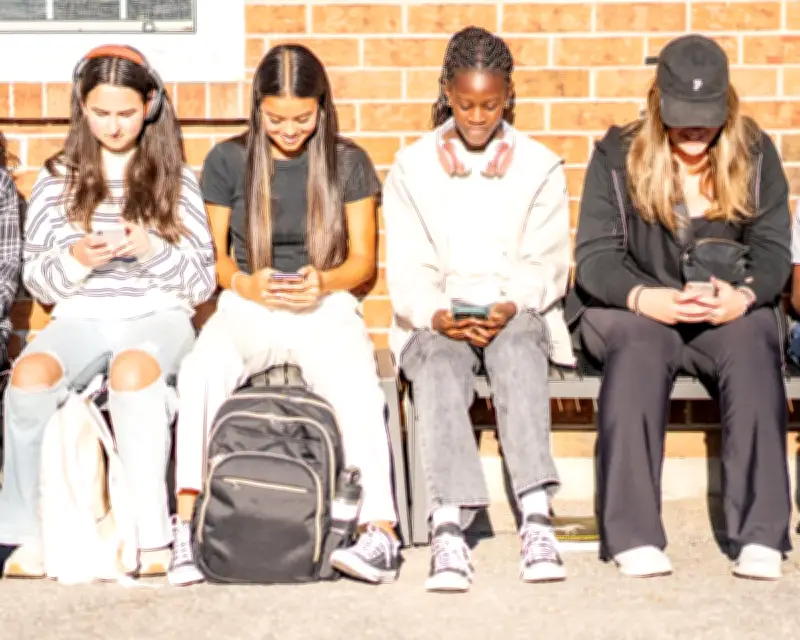
Canada's government has introduced legislation to parliament that could ban children younger than 16 from having social media accounts unless the companies demonstrate they can make their platforms safe. This move aligns with a growing global effort to tighten online safety regulations.
Legislation Details
Canadian government officials stated that social media platforms can obtain an exemption if they implement sufficient safeguards. The legislation covers seven types of harmful content, including content that induces children to harm themselves, incites violence, foments hatred, and non-consensual intimate images.
Marc Miller, Canada's culture minister, emphasized the urgency: "We are failing our children. Enough is enough. We need basic protection in place."

Digital Safety Commission
A digital safety commission will be established to oversee the regulations. Criteria for exemptions will be announced later, and Miller noted that setting up the regulator could take up to 18 months. Platforms will need to prove they are safe, and age verification measures will be implemented.
Global Context
Countries including Australia, Brazil, and Indonesia have introduced or announced age-based restrictions for children's access to social media. Others like Britain, France, Spain, Denmark, Thailand, and South Korea are studying or developing similar approaches. In Australia, social media companies have revoked access to about 4.7 million accounts identified as belonging to children since the country banned use by those under 16, sparking intense debate on technology use, privacy, child safety, and mental health.
Additional Provisions
Platforms in Canada offering adult content would not be able to obtain an exemption. The legislation also regulates companies behind artificial intelligence chatbots, imposing a duty to act responsibly through measures such as crisis intervention protocols.
A Canadian government official said authorities will try to learn lessons from Australia. Lianna McDonald, executive director of the Canadian Centre for Child Protection, applauded the move, noting that sextortion on social media has increased dramatically.