A federal judge has ordered the removal of displays installed by the Trump administration in several national parks, ruling that they violated the First Amendment by promoting a political agenda.
Ruling Details
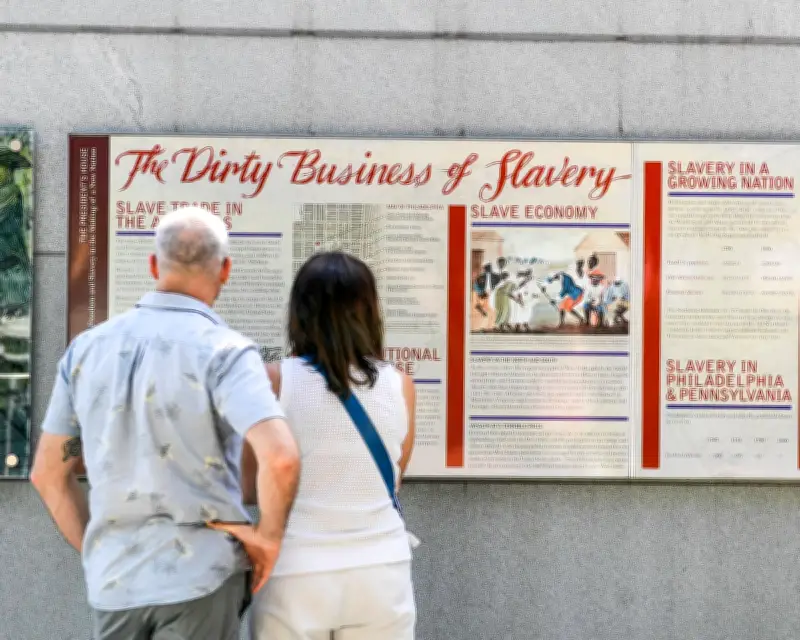
U.S. District Judge John D. Bates issued the ruling on Friday, siding with a coalition of environmental and free speech groups that had sued over the displays. The judge found that the exhibits, which highlighted the president’s achievements, were "impermissible government speech" that crossed the line into political advocacy.
"The displays are not neutral educational materials but rather a vehicle for promoting the current administration's policies," Judge Bates wrote in his opinion. "This constitutes a violation of the First Amendment's prohibition on government endorsement of a particular political viewpoint."

Background on the Displays
The controversy began last year when the National Park Service installed large signs and plaques at iconic parks such as Yellowstone, Yosemite, and the Grand Canyon. The materials praised President Trump's environmental record, including his efforts to expand energy development and roll back regulations. Critics argued that the displays were an inappropriate use of public lands for political purposes.
The lawsuit, filed by the Sierra Club and the American Civil Liberties Union, claimed that the displays amounted to "forced viewing" of political propaganda. The groups argued that visitors should not be subjected to partisan messages when visiting national parks.
White House Response
The White House expressed disappointment with the ruling. Press Secretary Sarah Huckabee Sanders said the administration would explore all legal options, including an appeal. "The president has done more for our national parks than any previous administration, and it is unfortunate that a judge would prevent Americans from learning about these accomplishments," she stated.
Supporters of the displays argue that they were a legitimate way to inform the public about policy changes. However, legal experts note that the government must remain neutral in its speech, especially in public spaces like national parks.
Implications for Future Displays
The ruling sets a precedent that could limit how future administrations use public lands for informational exhibits. Judge Bates emphasized that while the government can educate the public, it cannot use taxpayer-funded spaces to promote a partisan agenda.
The National Park Service has been ordered to remove all contested displays within 30 days. The agency has not yet announced whether it will comply or seek a stay pending appeal.
Reactions from Advocacy Groups
Environmental groups hailed the decision as a victory for free speech and the integrity of public lands. "National parks belong to all Americans, not to any political party," said Kieran Suckling, executive director of the Center for Biological Diversity. "This ruling ensures that our parks remain places of natural wonder, not political billboards."
The ACLU also praised the ruling. "The First Amendment protects us from being forced to view government propaganda," said David Cole, the ACLU's national legal director. "We are pleased that the court upheld this fundamental principle."