

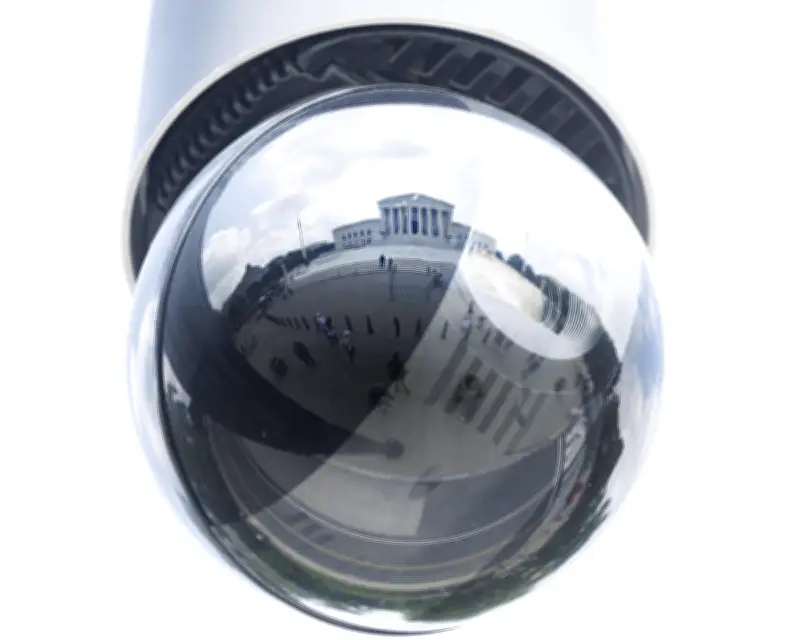
The Supreme Court delivered a significant blow to former President Donald Trump on Monday, ruling against him in two separate cases that touch on the limits of presidential power. In a 6-3 decision, the justices held that Trump did not have the authority to fire the heads of independent federal agencies without cause, and in a separate 5-4 ruling, they upheld a Pennsylvania law allowing mail-in ballots to be counted if they are received up to three days after Election Day.
Firing agency chiefs restricted
The first case, Seila Law LLC v. Consumer Financial Protection Bureau, centered on the structure of the Consumer Financial Protection Bureau (CFPB), which is led by a single director who can only be removed by the president for inefficiency, neglect, or malfeasance. Trump had argued that this restriction on his removal power violated the separation of powers. The Supreme Court disagreed, with Chief Justice John Roberts writing for the majority that the CFPB's structure was constitutional, though he noted that the president must have some removal power. The ruling preserves the independence of numerous federal agencies, including the Federal Reserve and the Securities and Exchange Commission.
Mail-in ballots upheld
In the second case, Republican National Committee v. Democratic National Committee, the Court upheld a Pennsylvania Supreme Court decision that extended the deadline for receiving mail-in ballots by three days. The Republican Party had challenged the extension, arguing that it usurped the state legislature's authority to set election rules. The Court's conservative majority split, with Chief Justice Roberts joining the four liberal justices to uphold the extension. Justice Samuel Alito dissented, warning that the decision could undermine confidence in the electoral process.

According to the Brennan Center for Justice, the Pennsylvania law affects approximately 100,000 ballots in a typical election, a number that could be decisive in close races. The ruling is likely to have implications for future elections, as several states have similar provisions.
Impact on presidential power
Legal experts say the decisions clarify the boundaries of executive authority. "The Court has sent a clear message that the president is not a monarch," said Professor Rebecca Green of William & Mary Law School. "While the president has broad powers, those powers are limited by Congress and the Constitution." The rulings come as Trump continues to challenge the results of the 2020 election, though the cases were not directly related to those efforts.
The decisions mark a rare defeat for Trump, who has often prevailed in legal battles over executive power. The Court's rulings are expected to have lasting effects on the balance of power between the executive and legislative branches.