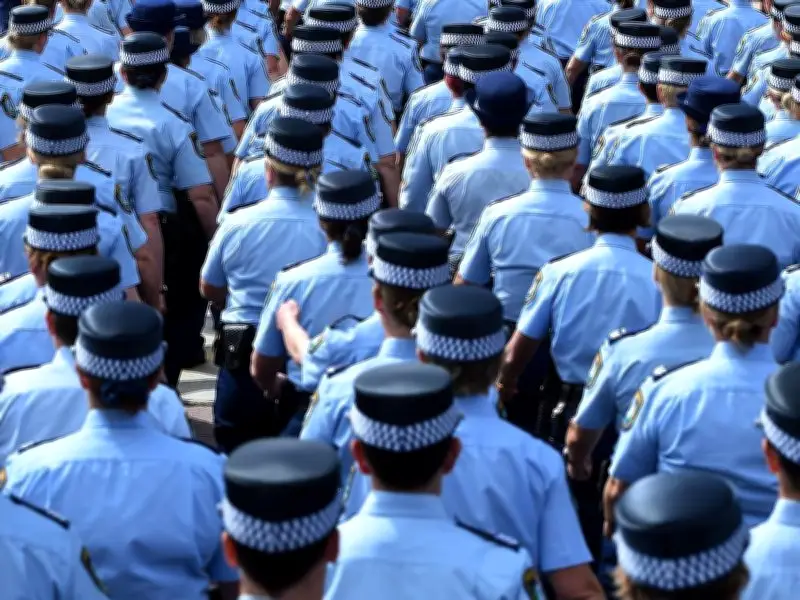
A damning internal culture review of the New South Wales Police Force has laid bare a toxic environment where staff report feeling unsafe to speak up or seek mental health support. The review, based on anonymous accounts from 5,000 current and former staff, reveals widespread bullying, sexual harassment, silencing, and favouritism.
Key Findings
Every woman who participated described experiencing overt or covert sexual harassment, undermining, or belittlement during their service. One in five reported sexual harassment in the last five years. A staff member stated, "Bullying is as much a part of this organisation as wearing a uniform."
The review, commissioned in 2024 by then-Commissioner Karen Webb, found some signs of cultural improvement over the past four years but concluded that toxicity remains a systemic risk. Current Commissioner Mal Lanyon has accepted all 29 recommendations, calling the behaviours "unacceptable and will not be tolerated." However, the report indicates that this intolerance does not always trickle down to lower ranks.

Systemic Issues
Officers reportedly ridicule official messages and issue counter-directions. Former Victorian Equal Opportunity and Human Rights Commissioner Kristen Hilton, who led the review, stressed the need for senior leaders to align on cultural change. One staff member remarked, "Many policies are not worth the paper they are written on."
A workforce survey found less than half of respondents felt respected and valued by management, and about two-thirds felt unsupported after critical incidents. Thirty percent reported being bullied in the last five years. Hilton stated, "Bullying, incivility, discrimination and victimisation are occurring at unacceptable levels." Staff said, "If you open your mouth, you get sabotaged" and "It's career suicide to speak up."
Despite these issues, cultural campaigns have improved grievance reporting by 26% since 2020. However, official data shows bullying at 13%, much lower than confidential reports.
Impact on Policing
The poor culture affects motivation, particularly in domestic violence incidents. One staff member revealed a "reluctance to act" on DV due to time-consuming systems: "Years ago we would do a DV lock up and be off the road for two hours. These days it's the whole shift."
Police are also spending more time on non-crime jobs like mental health incidents, while perceptions about mental health remain problematic. Despite 43% of Australians experiencing mental health issues, officers fear seeking help. One person said, "I was told you couldn't join the cops if you had seen a psychologist." Another noted, "You're told that you have to be off anti-depressants for at least 12 months before you can apply."
Support services have improved, with one officer of 40 years accessing early PTSD treatment. NSW Police spent $1.75 billion on psychological injury compensation in five years, but Hilton noted that much harm stems from internal culture.
Favouritism and Discrimination
Favouritism and bias in promotions were major concerns, with perceptions of "jobs for mates" rather than merit. Hilton noted this affects accountability. One staffer said, "The promotion system to superintendent and above is wholly based on nepotism."
Twenty-seven percent of probationary constables quit within two years. Staff urged the force to reflect community diversity, including LGBTIQ+ and neurodiverse individuals. One said, "How can we police communities we don't represent?"
Career progression is also hindered by discrimination, especially for women on parental leave. One woman said, "Having a baby stunts your career ... it put my career back two to three years." Twenty-five percent of officers identified discrimination, disproportionately affecting women, First Nations staff, people with disabilities, LGBTQI+ employees, and non-native English speakers. Forms included denied development opportunities and unequal duties.
Commissioner Lanyon has committed to a safer, more inclusive workforce.