
When Keir Starmer stepped down as British prime minister this week, it underscored the crisis facing social-democratic Labour parties globally. Despite Labour's 2024 UK election victory—411 of 650 seats—the party held only a shallow democratic mandate. Britain's first-past-the-post system turned just one-third of the popular vote into a commanding majority, with turnout at 59.7%, meaning roughly one in five eligible voters backed Labour. Since then, Labour's polling has often fallen to 20% or lower as support fragmented to both left and right.
Voter Discontent and Defection
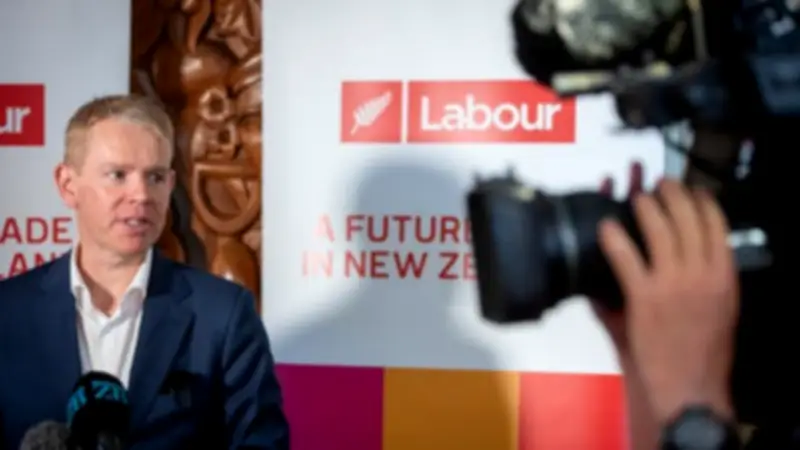
A 2025 survey of Labour defectors revealed that immigration concerns pushed some voters toward Reform UK and the Conservatives, while others abandoned the party for not being progressive enough, turning to the Greens and Liberal Democrats. Dissatisfaction with Starmer himself united both groups. As New Zealand Labour leader Chris Hipkins seeks a return to power in November, these trends offer critical lessons.
The Burden of 'Thin Labourism'
Politics has become more personalised, with voters focusing on leaders over parties. It remains unclear whether Andy Burnham, positioned to succeed Starmer, can boost UK Labour's polls. In New Zealand, the political landscape remains dominated by two major parties, though combined support for National and Labour is at a 30-year low. Both compete for the centre, leaving radical terrain to the Greens and Te Pāti Māori. Labour has retreated to 'thin labourism'—an attenuated version of traditional ideology—avoiding ambitious policies on wages, industrial relations, or public ownership. Instead, it tinkers with taxes and transfers, such as proposing a capital gains tax to fund GP visits.

Populist and Polarising Forces
Populist parties like Reform UK, One Nation, and Winston Peters' New Zealand First capitalise on dissatisfaction with the mainstream. Peters targets traditional Labour territory, from the West Coast to Pacific communities in South Auckland. Labour is caught between younger progressive voters and older, culturally conservative blocs, risking losses in both directions, as seen in the UK.
Pragmatism vs. Inspiration
Labour's challenge is to hold together diverse constituencies with different priorities. Hipkins rarely speaks the language of traditional social democracy, focusing instead on competition, economic growth, and cost of living—themes shared with his right-wing opponents. Like Starmer, Hipkins has not generated strong enthusiasm; his preferred-prime-minister ratings often fall below 20%, and approval ratings are negative. Luxon faces similar challenges, offering little advantage. With no breakout figure like Ardern or Burnham, New Zealand's election debates will feature two candidates with weak leadership capital. The options are pragmatic, not inspirational. Labour leads in post-Budget polls but has not released a full manifesto. Hipkins could return to power in November, but if he does, he'll face political pressures similar to those that defeated Starmer.