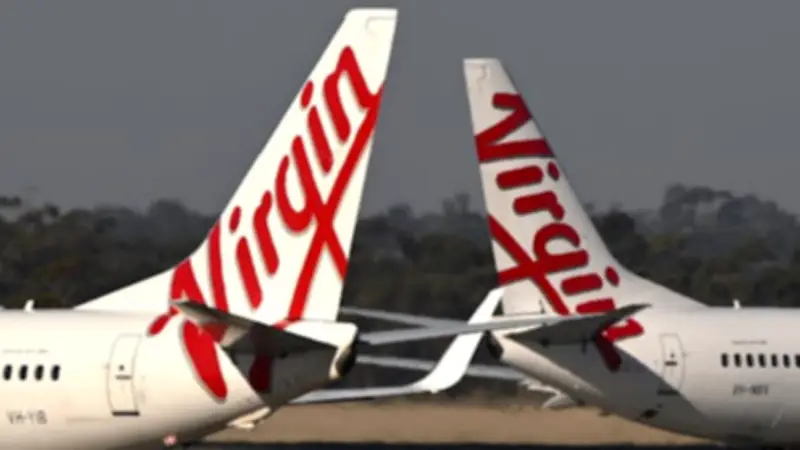
Virgin Australia customers holding approximately $90 million in unused flight credits from COVID-era cancellations have just one week left to spend them – or forfeit the money. The credits stem from bookings cancelled between April 2020 and July 2022.
Revised Policy Extends Travel Window
Following customer complaints, Virgin revised its policy last Friday. Under the new rules, customers must still book flights using their travel credits by Tuesday, June 30, 2026. However, they can now travel until May 27, 2027 – a significant extension from the original deadline.
The airline’s February financial update revealed $93 million in unclaimed COVID credits. Virgin says it has sent multiple reminders, but important messages often get lost among promotional emails or are ignored as potential scams.

Comparison with Qantas and Jetstar
During the pandemic, travellers accepted credits not as a preferred alternative to refunds, but because widespread cancellations left them with limited viable options. For consumers, these credits represent money paid for a service never received.
Earlier this year, Qantas agreed to pay $105 million to settle a class action over its COVID credits from 2020 to 2022. Qantas still allows refunds for unused COVID credits anytime, and its subsidiary Jetstar has no expiry dates on its COVID flight credits. In contrast, Virgin has set a hard June 30 booking deadline, and its refund policy appears more complicated.
Three Possible Refund Options
Like most airlines, at the height of the pandemic Virgin pledged to allow affected travellers to change flight dates or receive travel credits. This “flexible flying policy” ended on April 30, 2022, but travellers were still offered travel credits for flights booked until July that year. Now, with only a week left, credit holders might seek a refund.
Option 1: Virgin’s Refund Policies
Virgin’s Fare Rules at the time stated refunds were only available if the rules permitted. The Fare Rules and Guest Compensation policy allow customers to request a refund or travel credit but do not specify grounds for issuing either. This ambiguity means a travel credit technically represents total compensation for a cancelled flight. Under contract law, you may not have a right to a refund. Virgin stores all credits in a “travel bank” and has discretion to extend expiry. The revised policy implies a right to seek a refund but loops back to the Fare Rules, which are silent on criteria. In short: it cannot hurt to plead your case, but there are no guarantees.
Option 2: Travel Insurance
Some travel insurance policies cover unused airline-issued travel credits. Inclusions sometimes extend to lost prepaid expenses, unused vouchers, and non-refundable portions of original fares, subject to limits. If you had travel insurance, check the policy terms with your insurer.
Option 3: Australian Consumer Law
The Australian Consumer Law gives consumers rights that override company policies, including on refunds. Services must be rendered with due care and skill, reasonably fit for purpose, and supplied within a reasonable time. Courts have found these guarantees apply to air travel. An airline refusing a refund instead of travel credits due to COVID restrictions may risk violating these guarantees. If the airline cancels a flight and never provides the service, the passenger has not received what they paid for. Offering a time-limited voucher may not remedy that problem if it later expires. In such circumstances, the airline arguably has not met its obligation. Where guarantees are “seriously” breached, the consumer is entitled to apply for compensation equivalent to the airfare under Section 267 of the Australian Consumer Law. This is open to interpretation; for example, cancelling an easily rebookable holiday is less likely to count as a serious breach, but a multi-stop trip planned for a special occasion is more likely. To try this option, submit a claim in writing to Virgin before June 30, citing your consumer law rights. If the airline does not offer reasonable alternatives, you could contact the Australian Competition and Consumer Commission. During the pandemic, the ACCC publicly encouraged airlines to fairly compensate customers.

Need for Clearer Consumer Protection
There is a strong case that the whole process needs to be simpler for consumers, as it is in Europe. Responding to a marked increase in complaints about airlines, the federal government recently allocated $40 million to overhaul airline passenger rights. However, it remains unclear what practical difference that, and proposed new aviation consumer protection laws, will make for travellers. Simpler, stronger protections would help avoid confusion in future.