Dairy Farmers Demand $2 Milk Price Amid Diesel Crisis Threatening Food Supply
Dairy farmers across Australia are issuing stark warnings of potential shortages in the nation's food supply chain unless they can secure a significant increase in milk prices to offset skyrocketing diesel bills. The fuel crisis, which has seen diesel remain stubbornly high while unleaded petrol prices have dipped, is threatening to cripple the agricultural and transport sectors that keep groceries on shelves.
Transport Industry on the Brink of Collapse
The transport industry is facing an unprecedented crisis, with a recent industry survey revealing that 70 percent of truck operators expect to be forced out of business if the current fuel crisis persists for six months. This is particularly alarming given that between 60 and 70 percent of all freight in Australia is carried by smaller operators, according to Warren Clark from the National Road Transport Association.
Tony Alvaro, who runs a family haulage business, shared a grim reality. "Coordinators come in to us and go, Tony, our drivers are parked up trucks. Why? It's just cheaper to not run them," he explained. Alvaro's company lost another contractor this week, adding to the hundreds of transport companies that have already gone under. "This is just unfortunately going to fast track the already diminishing industry," he warned.

Dairy Farmers Push for Price Hikes to Survive
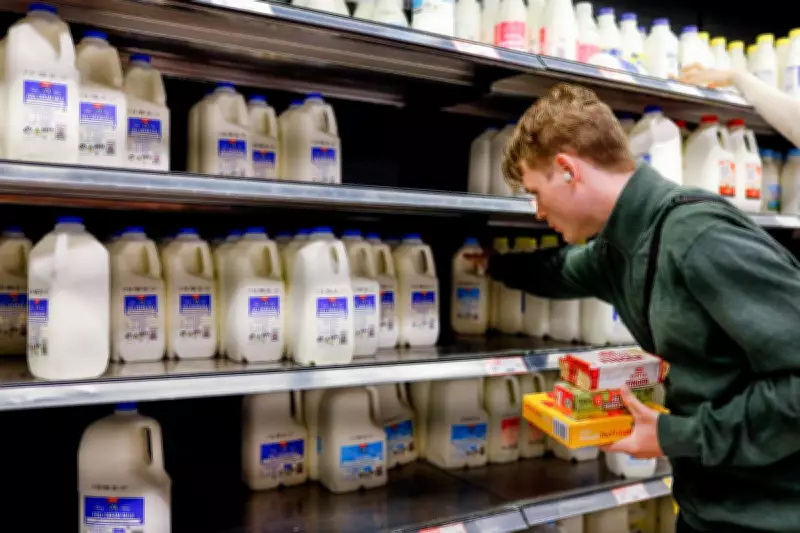
In response to the mounting pressures, dairy farmers are now calling for a 20 percent increase in milk prices, which would push the cost of a litre of milk to almost $2. This move is seen as essential to cover the soaring costs of diesel, which is critical for everything from milking operations to transporting products. One dairy farmer expressed the dire situation: "It has the potential to be an absolute disaster. Every farmer I talk to at the moment is making a loss."
The impact would extend beyond milk, affecting staples like butter and cheese, potentially leading to higher prices across the board. Warren Clark highlighted the broader economic implications: "We're going to see a really steep increase in the cost of living."
Supermarket Pushback and Consumer Concerns
However, manufacturers report facing pushback from major supermarkets, such as Coles and Woolworths, which are hesitant to pass on price hikes to consumers already grappling with high interest rates and inflation. Both supermarket giants acknowledge the need to balance the pressures on suppliers with the financial strain on customers.
One proposed solution being discussed involves brands reducing discounting practices, meaning shoppers would pay full price more often with fewer specials available. This could help offset costs without direct price increases, but it may still lead to higher overall grocery bills for households.
The situation underscores a critical juncture for Australia's food supply chain, as stakeholders from farmers to truckers seek sustainable solutions to navigate the diesel crisis and ensure the continued availability of essential dairy products.