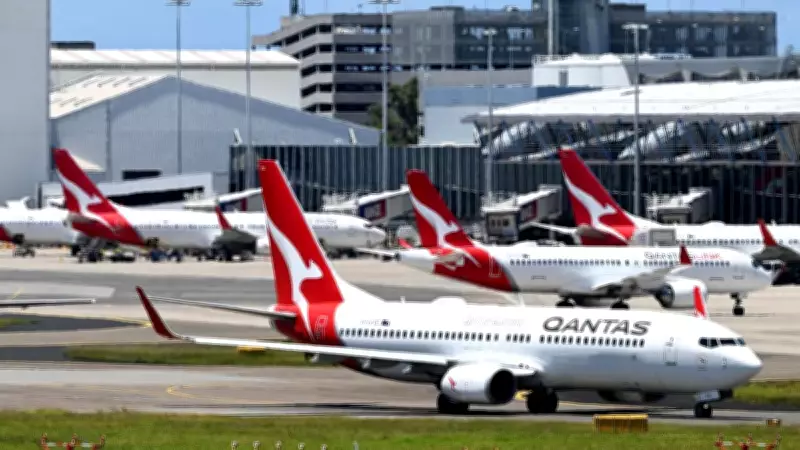
Qantas is undertaking a significant transformation of its domestic and international flight networks, strategically adding capacity to Europe while reallocating aircraft across both short-haul and long-haul routes. The airline has announced that these adjustments will provide an additional 1,400 seats per week into European destinations, a move driven by rising demand for international travel. This expansion comes as Qantas addresses a backlog of passengers holding codeshare tickets with Emirates, who are currently affected by grounded aircraft.
Enhanced European Services and Route Adjustments
As part of the network reshuffle, Qantas is boosting its presence in Europe with several key changes. Flights from Perth to Rome will increase from four to seven per week, marking the first time daily services are offered on this route. In a strategic shift, the airline will discontinue its direct Perth to Paris service, replacing it with a new Sydney to Paris route that includes a stopover in Singapore. This Paris service will grow from three to five flights per week, with each flight capable of carrying approximately 60 more passengers due to reduced weight restrictions.
Expanded Connectivity Through Singapore Hub
To facilitate better connections, Qantas is also expanding services between Perth and Singapore, rising from seven to ten flights per week. This enhancement allows more passengers to seamlessly connect at the airline's primary Asian hub, improving overall travel efficiency and accessibility for international journeys.

Aircraft Reallocation to Support Long-Haul Growth
To support these network changes, Qantas is reallocating aircraft across its operations. Airbus A330s, previously utilized on domestic routes such as Sydney/Melbourne to Perth, will be reassigned to operate Brisbane to Los Angeles services. This adjustment means that premium economy seating will no longer be available on the 13-hour Pacific Ocean crossing unless passengers opt for routes via Sydney or Melbourne.
By moving the A330s, Qantas can redeploy larger Boeing 787 Dreamliners onto its expanded European routes, optimizing capacity and enhancing the passenger experience on long-haul flights. Passengers on certain domestic services may notice these aircraft changes, as Qantas prioritizes long-haul capacity and increasingly relies on smaller Boeing 737s for cross-country flights within Australia.
Implications for Travelers and Network Efficiency
These strategic moves reflect Qantas's response to evolving travel patterns and demand, particularly in the post-pandemic era. The focus on European expansion and aircraft reallocation aims to improve network efficiency, cater to growing international travel interest, and address operational challenges such as the Emirates codeshare backlog. As the airline continues to adapt its offerings, passengers can expect more flexible and capacity-enhanced options for both domestic and international travel.