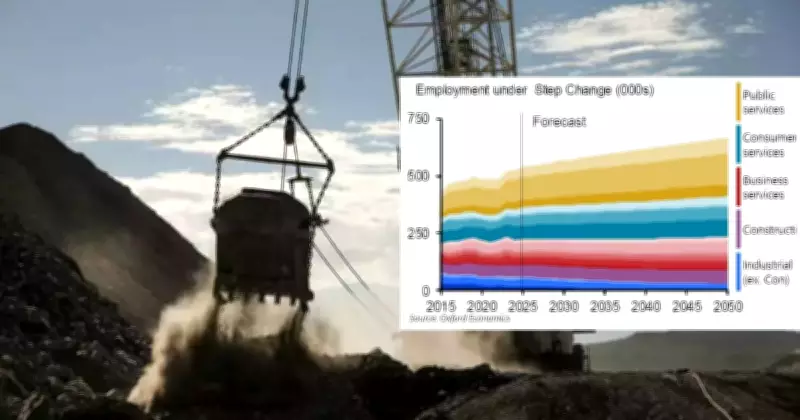
A new economic forecast from Oxford Economics predicts that the Hunter region in New South Wales could see between 40,000 and 75,000 new jobs created over the next ten years. The report, commissioned by the Hunter Joint Organisation, highlights significant growth potential across several key sectors, including renewable energy, healthcare, construction, and technology.
Key Drivers of Job Growth
The analysis points to the transition to renewable energy as a major catalyst for employment. The Hunter region, traditionally known for coal mining, is positioning itself as a hub for clean energy projects. This shift is expected to create thousands of jobs in solar, wind, and hydrogen energy production, as well as in related manufacturing and infrastructure development.
Healthcare and social assistance are also projected to be strong contributors, driven by an aging population and increased demand for services. The construction sector will benefit from major infrastructure projects, including road upgrades and new housing developments. Technology and professional services are anticipated to grow as the region diversifies its economy.

Sector-by-Sector Breakdown
- Renewable Energy: Up to 10,000 new jobs in solar, wind, and hydrogen projects.
- Healthcare: Approximately 8,000 positions in hospitals, aged care, and community services.
- Construction: Around 12,000 roles in residential, commercial, and civil construction.
- Technology: Nearly 5,000 jobs in IT, software development, and digital services.
- Education and Training: 4,000 new roles in schools, TAFE, and universities.
Economic Impact and Challenges
The forecast predicts that the Hunter's gross regional product could grow by 2.5% annually, outpacing the national average. However, the report warns that skills shortages and housing affordability could hinder growth. Local leaders emphasize the need for investment in training programs and infrastructure to accommodate the expanding workforce.
Hunter Joint Organisation chairperson, Cr. Jane Smith, stated: "This forecast confirms that our region is on the cusp of a major economic transformation. We must seize the opportunities in renewable energy and technology while ensuring our community is equipped with the skills needed for these new industries."
Comparison with Previous Trends
Over the past decade, the Hunter added approximately 30,000 jobs. The projected increase of 40,000 to 75,000 represents a significant acceleration. The report notes that the upper end of the range depends on successful implementation of major projects and policy support.
Oxford Economics senior economist Dr. Mark Brown commented: "The Hunter has a unique opportunity to reinvent itself. The transition to a low-carbon economy will not only create jobs but also attract investment and improve sustainability."
Recommendations for Stakeholders
- Invest in vocational training and apprenticeships to address skills gaps.
- Plan for housing and transport infrastructure to support population growth.
- Foster innovation hubs to attract technology startups and research institutions.
- Encourage collaboration between industry, government, and education providers.
The full report will be presented to local councils and business groups to inform strategic planning. With the right policies, the Hunter region can achieve a prosperous and sustainable future.