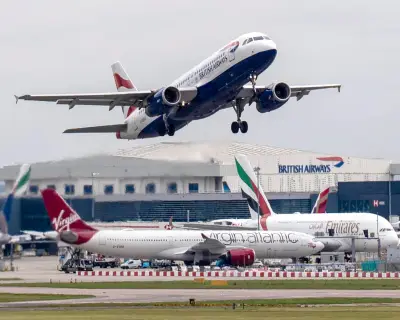

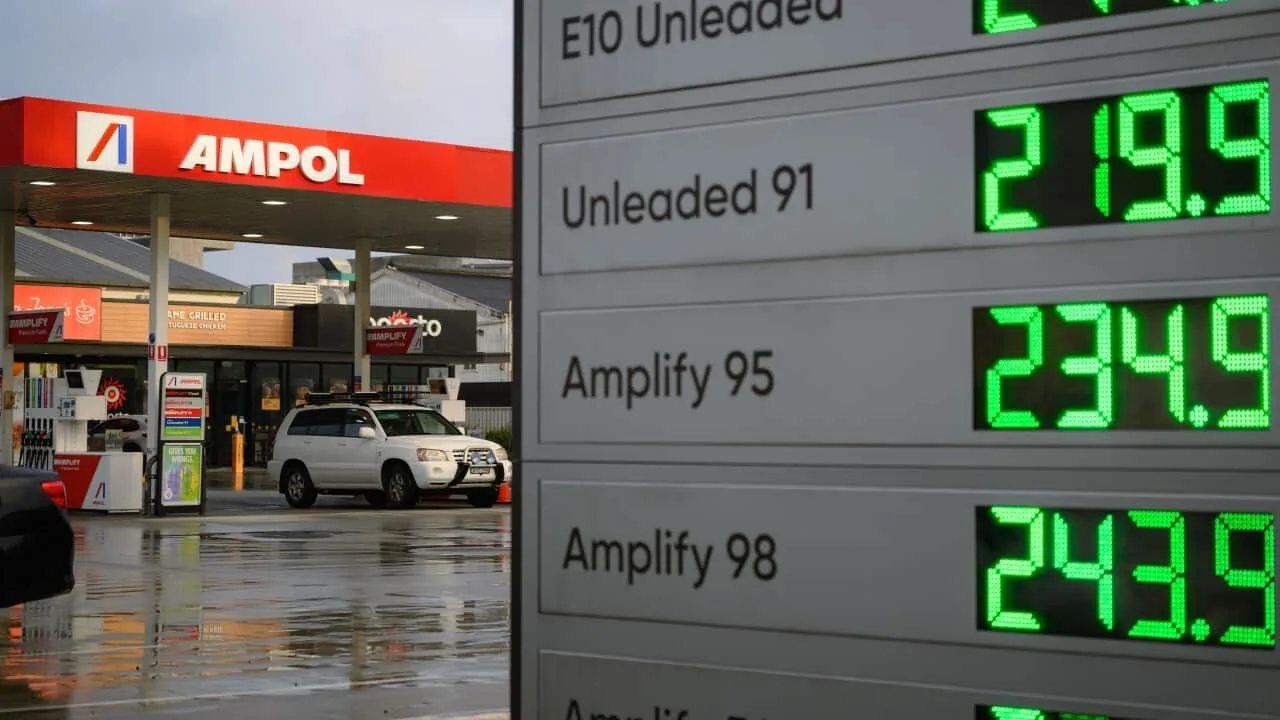
Energy Minister Chris Bowen has assured Australians that the nation's fuel supply remains secure, despite disruptions from the Middle East conflict and reports of shortages in rural areas. At a press conference on Saturday, Bowen stated that Australia has 1.6 billion litres of petrol (a 37-day supply), 2.7 billion litres of diesel (30 days), and 800 million litres of jet fuel (29 days). He emphasized that shipments are arriving as planned and refineries continue operating.
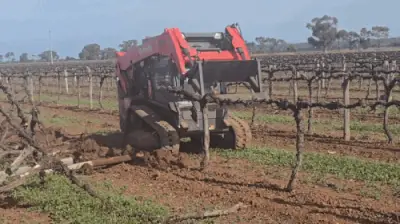
Bowen attributed perceived shortages in rural and regional areas to panic buying and an explosion in demand, rather than supply issues. He acknowledged the situation is complex but urged calm, noting that the government will now provide weekly fuel stock updates instead of quarterly. However, opposition energy minister Dan Tehan accused Bowen of being "caught asleep at the wheel" and demanded clarity on whether Australia faces a fuel shortage.
To mitigate price spikes, the Albanese government has temporarily suspended fuel standards for 60 days, allowing the use of "dirty fuel" typically exported. Additionally, up to 762 million litres of petrol and diesel will be released from domestic reserves. Bowen cautioned that the fuel would not flow immediately due to Australia's complex supply chain.

The Australian Competition and Consumer Commission (ACCC) is closely monitoring petrol prices following sudden increases linked to the Middle East war. ACCC Commissioner Anna Brakey warned that the watchdog will investigate any misleading conduct or collusion, with penalties for breaches increased from $50 million to $100 million. NSW will hold a fuel security roundtable on Monday to discuss supply impacts with industry leaders.