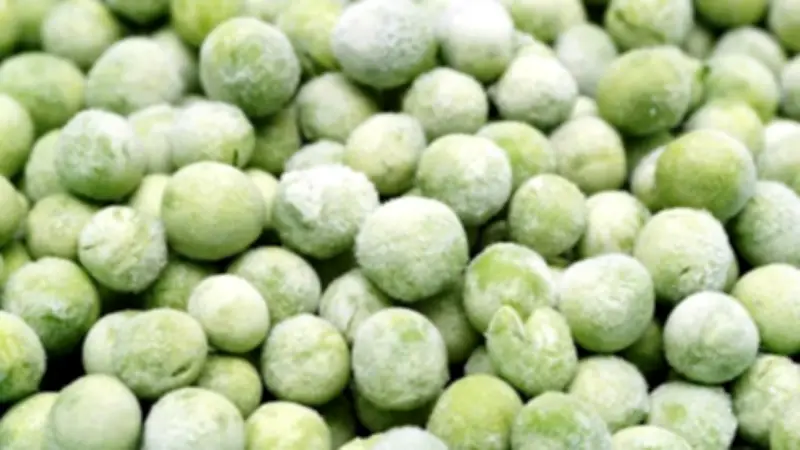
Frozen fruit and canned vegetables are often more affordable than fresh produce, but questions remain about their nutritional value. With the cost of living rising, many Australians are turning to these alternatives to maintain a healthy diet without breaking the bank.
How much fruit and veg should we eat?
According to the Australian Guide to Healthy Eating, adults should consume at least two serves of fruit and five serves of vegetables daily. This includes frozen and canned options. For instance, half a cup of frozen broccoli or half a cup of canned beans counts as one vegetable serve, while one cup of canned peaches or frozen mango equals one fruit serve.
Are frozen and canned options nutritious?
Research shows that frozen and canned produce often retains its original nutritional value, sometimes even surpassing fresh produce that has been stored for a week. Freezing preserves nutrients effectively, and in some cases, like apricots, vitamin C content can be higher due to preservation methods. However, freezing may cause ice crystals that damage food structure and reduce nutrients, especially if thawed and refrozen. Additionally, frozen fruits and vegetables can carry Listeria bacteria, but cooking eliminates this risk.

Canning involves high-temperature sterilization, which can break down water-soluble vitamins like vitamin C. Yet modern canning technology uses faster, lower-temperature processes to minimize nutrient loss.
What to watch for
When buying canned vegetables, opt for "no added salt" varieties or rinse them before eating to reduce sodium. For baked beans, choose salt-reduced options. Canned fruit should be packed in juice rather than syrup to limit added sugar; look for "no added sugar" labels.
How to use them
Canned fruits make quick snacks or additions to cereal and yogurt. Frozen vegetables are ideal for stir-fries, stews, and last-minute meals. Canned legumes like lentils and chickpeas boost fibre and protein in salads and sauces—just rinse first.
What about dried options?
Dried beans, chickpeas, and lentils are even more economical and have long shelf lives, though they require soaking and longer cooking. Dried fruits are not recommended as daily substitutes due to their high sugar concentration, but they can be enjoyed occasionally.