

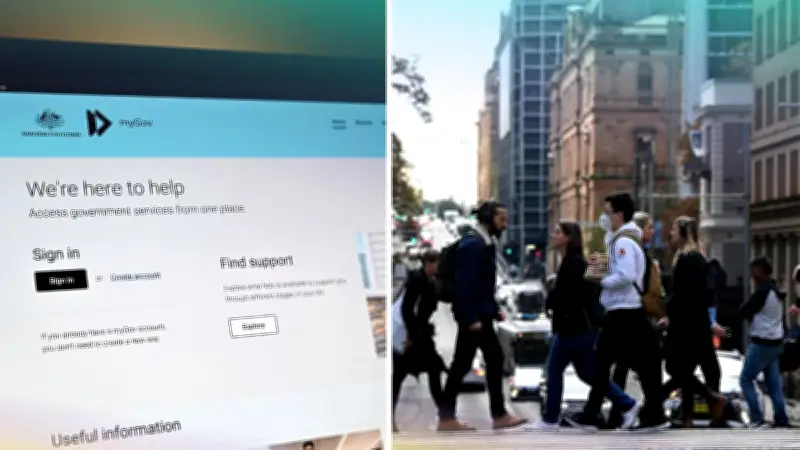
Australians eager to lodge their tax returns early risk being worse off, experts caution. While more than half of Australia’s 14.7 million workers are expected to file their own returns for the 2025-2026 financial year, submitting on July 1 may lead to incomplete documents, delays, and follow-ups from the Australian Taxation Office (ATO).
Early Lodgment Risks and ATO Data Matching
“Many taxpayers assume getting in first means getting a faster refund, but that is not always the case,” ATO assistant commissioner Anita Challen said. “Early lodgment increases the likelihood of missing information and mistakes being made, which can delay processing and require amendments.”
For the 2024-2025 financial year, the ATO’s data matching program adjusted close to 600,000 tax returns due to overstated deductions, tax credits, missing income, and other issues. Additionally, more than 140,000 returns were corrected after discrepancies in income, interest, dividends, welfare payments, Medicare levy exemptions, and private health insurance were identified.

Advice for DIY Tax Lodgers
For those lodging their own returns online through myGov without a registered tax agent or accountant, the ATO recommends waiting until late July. By then, information such as wages, bank interest, and private health insurance details will be pre-filled automatically.
“The ATO collects and pre-fills a wide range of information to make tax time easier,” Challen said. “Taxpayers simply need to check the information, add in any missing information, including cash income, and eligible deductions.”
Avoiding ‘Tax Autopilot’
Despite the convenience of pre-filled returns and digital tools, H&R Block’s tax communications director Mark Chapman warned against complacency. New research commissioned by the accounting firm found that almost half of Australians (48 per cent) have experienced an “unexpected outcome after lodging.”
“One of the more interesting findings was that 61 per cent of Australians questioned whether they’d completed their return correctly after hitting submit,” Chapman said. “It’s a reminder that taking a little extra time to check your information and ensure everything has been included can make a real difference.”
The research also revealed that 71 per cent of Australians have at least one factor adding complexity to their return, such as working from home, investments, multiple income sources, or a side hustle.
Warnings on AI and Social Media Tax Hacks
Australians have been cautioned against relying on AI or social media shortcuts for tax advice. “Relying on AI might get you part of the way but if you make a mistake you are the one that gets hit with the penalty and interest,” said Chartered Accountants ANZ tax leader Susan Franks.
Work-related deductions and omitted income from side hustles—including ride-share, creator income, consulting, online selling, or freelance work—will be closely scrutinised, along with interest and rental income.
ATO’s Three Golden Rules for Deductions
The ATO has reiterated its “three golden rules” for claiming work-related expenses: you must have spent the money yourself and not been reimbursed; the expense must directly relate to earning your income; and you must have a record (receipt, invoice, or logbook) to prove it.
Tax Cuts and Future Changes
From July 1, every Australian worker will receive a tax cut of up to $268 as the 16 per cent tax rate on income between $18,201 and $45,000 drops to 15 per cent. The rate will fall further to 14 per cent from July 1, 2027, providing an additional $268 in savings.
Taxpayers are reminded that the government’s $1000 instant tax deduction does not apply until tax time in 2027. Budget changes to capital gains tax and negative gearing are also planned to take effect from the same time.

CPA Australia tax lead Jenny Wong noted that the scale of these reforms has increased the risk of misinformation online. “Whether it’s claims about maximising deductions, restructuring investments or timing asset sales, the reality is these decisions now require a much deeper understanding of the rules,” she said. “Relying on generic advice—particularly from overseas sources or AI tools that don’t consider your personal situation—can lead to incorrect claims, poor financial decisions and unintended tax consequences.”
All information in this article is general in nature and does not take into account your personal circumstances. You should always seek independent, professional financial advice from a licensed expert before making any financial decisions.