Estrella Resources has unveiled promising early drilling results from its Werumata limestone project in Timor-Leste, indicating a substantial bounty of clean, high-purity limestone. The findings point to intersections up to 55 metres thick, with an average calcium carbonate content of 84 per cent, highlighting the project's potential as a significant industrial minerals asset.
Drilling Campaign and Key Results
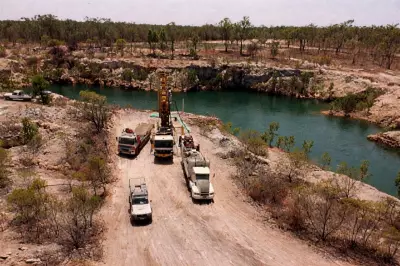
The company conducted an extensive drilling blitz, focusing on two limestone plateaus near the coastal town of Uero-Mata and a potential port area. This effort involved 33 reverse circulation holes totalling 2804 metres and 9 diamond holes for 913 metres, resulting in a combined 3717 metres of drilling. Samples from 11 holes, representing 25 per cent of those collected, have been analysed, with the remainder still being processed at PT Geoservices in Jakarta after inspection by Timor-Leste authorities.
High-Grade Mineralisation Details
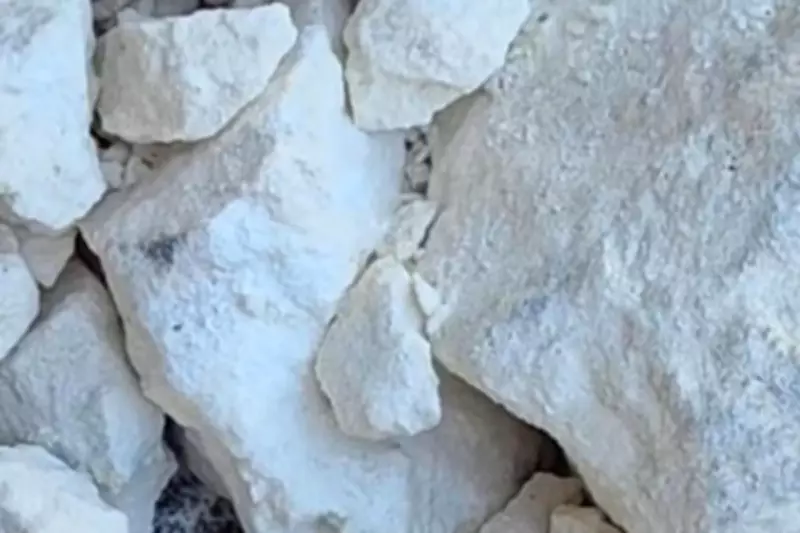
Key hits emerged from the upper Baucau Limestone, with intersections up to 55 metres thick averaging 84 per cent calcium carbonate. The underlying Batu Putih chalk intercepted up to 53 metres of material averaging 80 per cent calcium carbonate. Both units exhibited very low magnesium levels, averaging just 2 per cent magnesium oxide for the Baucau material and 1.3 per cent for the Batu Putih samples, confirming their suitability for acid-neutralisation and other industrial applications.

Silica levels varied, averaging about 7 per cent in the Baucau Limestone and 11 per cent in the Batu Putih Chalk. Other impurities remained low, with alumina generally below 2 per cent and iron oxide ranging from under 1 per cent to about 1 per cent. These results support the company's geological modelling and visual assessments from the drilling phase.
Geological Context and Potential
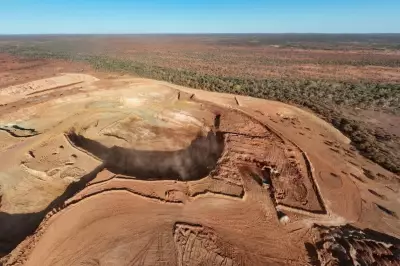
The mineralisation at Werumata is interpreted as a young, shallow marine carbonate sequence. The uppermost Baucau Limestone Formation, less than 2 million years old, comprises former coral reef and related carbonate depositional environments, now exposed as partly eroded plateaus along the coast. It sits above the older Batu Putih unit, a roughly five-million-year-old sequence dominated by chalk, with both underlain by the much older Noni Formation.
Erosion along the boundary between the Baucau and Batu Putih formations has varied the thickness of the underlying chalk, but the overall package is rich in carbonates and notably low in magnesium. This geochemical signature, similar to modern reef systems, opens doors to wide-ranging uses, from mining and environmental management to construction materials.
Company Outlook and Future Steps
Chris Daws, managing director of Estrella Resources, expressed enthusiasm about the results, stating that they confirm strong potential for a large-scale limestone project. The company is now advancing towards defining an inferred mineral resource of at least 500 million tonnes from the interpreted large-scale calcite deposit. If achieved, this would position Werumata as a heavyweight in industrial minerals globally, capable of supporting a major, long-life mining operation.
Estrella continues to develop its Timor-Leste portfolio, including progress at its Ira Miri manganese deposit, offering quality upside in a promising jurisdiction with a distinct first-mover advantage. The company awaits remaining sample results and is focused on completing early-stage development studies to further unlock the project's value.