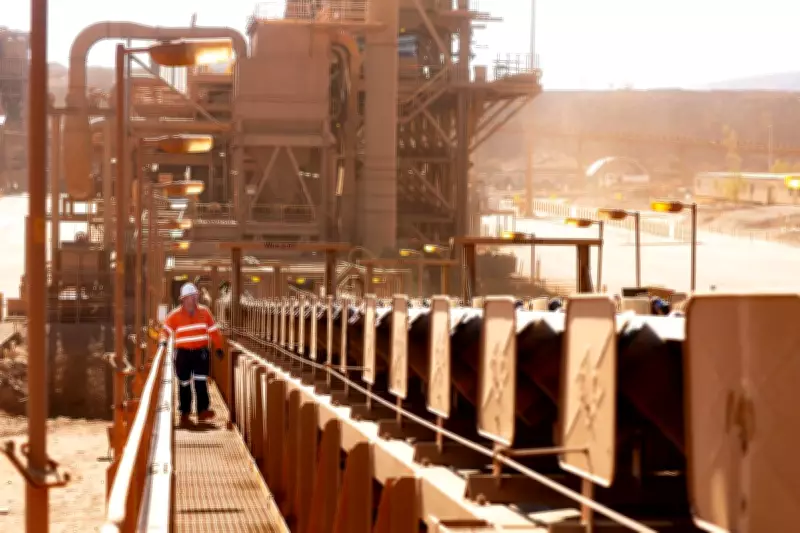
Mining Sector Confronts Unprecedented Challenges as Stakes Soar
In a stark assessment of Australia's mining industry, expert Ben Harvey has declared that the stakes are now higher than during the so-called "bad old days" of past downturns. This warning comes amid a complex landscape of global economic pressures, shifting market demands, and heightened environmental scrutiny that is reshaping the sector's future.
Historical Context and Current Realities
The "bad old days" refer to periods in mining history marked by significant volatility, such as the commodity price crashes of the 1980s or the global financial crisis impacts. However, Harvey argues that today's challenges are more multifaceted and intense. Unlike previous eras where issues were often cyclical and localized, current pressures stem from a convergence of factors including geopolitical tensions, climate change policies, and rapid technological advancements.
Global economic shifts are playing a pivotal role. With major economies like China slowing down and trade disputes affecting supply chains, Australian mining companies face uncertain demand for resources such as iron ore, coal, and lithium. This volatility is compounded by inflationary pressures and rising operational costs, squeezing profit margins and forcing firms to adapt quickly.

Environmental and Social Pressures Mount
Another key factor elevating the stakes is the growing emphasis on sustainability and corporate responsibility. In the past, mining operations could often proceed with less regard for environmental impacts, but today, there is heightened scrutiny from regulators, investors, and the public. Climate change initiatives are driving a push towards greener practices, with companies under pressure to reduce carbon emissions and adopt renewable energy sources.
Social license to operate has become a critical concern. Communities and indigenous groups are increasingly vocal about land rights and environmental protection, leading to more stringent compliance requirements and potential project delays. Harvey notes that this social dimension adds a layer of complexity not as prominent in earlier decades.
Technological Disruption and Innovation
The mining industry is also grappling with rapid technological change. Automation, artificial intelligence, and data analytics are transforming operations, offering efficiency gains but requiring significant investment. Companies that fail to innovate risk falling behind in a competitive global market. This technological shift contrasts with the "bad old days," where such advancements were less pervasive and urgent.
Moreover, the rise of electric vehicles and renewable energy has created new opportunities in minerals like lithium and cobalt, but it also demands agility from mining firms to pivot towards these emerging markets. Harvey emphasizes that adaptability is now more crucial than ever.
Economic Implications for Australia
As a cornerstone of the Australian economy, the mining sector's performance has far-reaching effects. Higher stakes mean that downturns could have more severe consequences for employment, regional development, and national revenue. Harvey warns that policymakers and industry leaders must collaborate to navigate these challenges, fostering resilience through diversification and strategic planning.
In summary, while the mining industry has weathered tough times before, Ben Harvey's analysis suggests that the current era presents unique and elevated risks. Stakeholders must recognize that the rules of the game have changed, requiring proactive measures to secure a sustainable future for this vital sector.