WA Premier Sounds Alarm Over Mining Job Losses Amid BHP Pay Dispute
Western Australian Premier Roger Cook has raised serious concerns about the potential for significant job losses in the state's critical mining industry. This warning comes as a major pay dispute between mining giant BHP and the Electrical Trades Union (ETU) escalates, threatening to disrupt operations and economic stability.
BHP's Counter-Threat in Industrial Standoff
In a dramatic turn of events, BHP has responded to ongoing industrial action by the ETU with a firm stance of its own. The company has threatened to withhold previously agreed pay increases for workers, effectively turning the tables in the contentious negotiations. This move marks a significant escalation in the long-running dispute over wages and conditions at BHP's mining sites across Western Australia.
The industrial action, which has included work stoppages and other forms of protest, has prompted BHP to adopt a more aggressive position. By linking pay outcomes directly to the cessation of union-led disruptions, the company is applying pressure on workers and their representatives to return to normal operations.

Premier Cook's Intervention and Economic Warnings
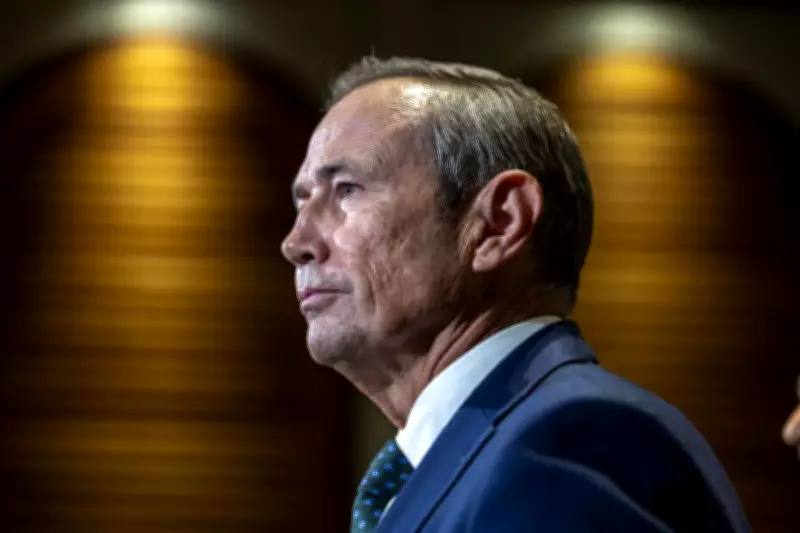
Premier Roger Cook has intervened in the dispute, highlighting the broader economic implications for Western Australia. He emphasized that prolonged industrial action could lead to substantial job losses, not only within BHP but across the entire mining supply chain. The Premier stressed the importance of resolving the conflict swiftly to protect employment and maintain the state's economic momentum.
Cook stated that the mining sector is a cornerstone of WA's economy, and any sustained disruption poses a serious risk to thousands of jobs and regional communities. He called for both parties to engage in constructive dialogue to reach a fair and sustainable agreement, avoiding further escalation that could harm workers and the industry alike.
Background of the ETU and BHP Conflict
The dispute between the ETU and BHP centers on key issues including wage increases, working conditions, and job security. The union has been pushing for better pay deals and protections for its members, arguing that BHP's profits justify improved remuneration. In response, BHP has cited operational challenges and market conditions as reasons for its firm stance on cost management.
This conflict is not isolated, as it reflects broader tensions in the mining sector, where unions and companies often clash over the distribution of profits and labor rights. The outcome of this dispute could set a precedent for future negotiations in the industry, influencing wage policies and industrial relations across Australia.
Potential Impacts on Western Australia's Economy
The escalation of this pay dispute has far-reaching consequences for Western Australia's economy. The mining industry contributes significantly to state revenue, employment, and export earnings. Any prolonged industrial action or job losses could:
- Reduce production outputs and export volumes, affecting global supply chains.
- Lead to financial strain for workers and their families, particularly in mining-dependent regions.
- Undermine investor confidence in the state's resource sector, potentially slowing future projects.
- Impact related industries such as transport, logistics, and services that rely on mining activity.
Premier Cook's warning underscores the urgent need for a resolution that balances the interests of workers, companies, and the broader economy. As negotiations continue, stakeholders are closely watching for developments that could shape the future of mining employment in Western Australia.