As Australia's housing affordability crisis deepens, many families are turning to a solution from the past: multigenerational living. This trend sees multiple generations choosing to live under the same roof, driven by soaring house prices that have put homeownership out of reach for many first-home buyers.
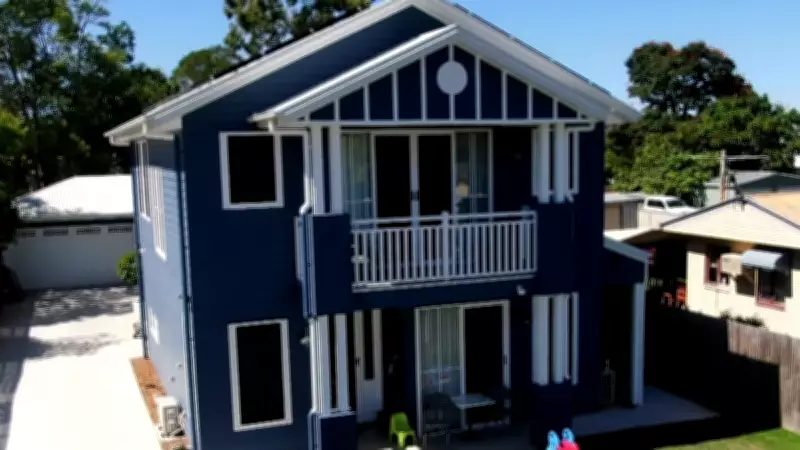
The Alleman family is one such example. They have built two homes under one roof, allowing their daughter and son-in-law to live with them. Homeowner Donna Alleman said, "Definitely my generation, we wanted our own home. I think the next generation are just giving up." Her son-in-law Nathan Denchman added, "Honestly, I'd completely given up by the time I was in my late 20s. I was just like, oh, well, I'll just never own a home, I'll just rent for the rest of my life."
This living arrangement is becoming a popular option among some of Australia's largest home builders. Families are moving in together to save money, and many are embracing intergenerational living. Donna's daughter Jessie Denchman said, "I asked my husband to move in with his in-laws forever." Her husband Nathan added, "And we're like, what are the boundaries that we want to set? And I was like, well, I like to walk around the house naked, so knock before you walk in."

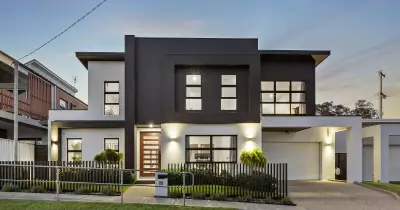
Dual occupancy homes and granny flats have seen a surge in popularity. Harriet Nelson, who lives in a dual occupancy home, said, "We've got two living rooms, which works beautiful for us as a family. Also with the two kitchens, because we are a big family, we can use both of them at the same time."
Granny flats are no longer just for grandparents. Young couples are moving into properties at the back of their parents' homes out of financial necessity. Caitlin Hillier, who lives in a granny flat at her parents' place, said, "We live out the back of my parents' place. I see my parents every single day." Her partner Sam Cowlishaw added, "Bit too close. But honestly, it worked out perfectly."
The starting price for these arrangements is around $160,000. Caitlin's dad, Martin Hillier, said, "It was easier for us in our day, and if we could do whatever we could do to help make it easier for them, then I thought we should do that."
Demand for granny flats has soared, up 20 per cent over the last 12 months. Wally Gebrael from Granny Flat Solutions said, "It's predominantly been around family use and intergenerational living more than anything else."
Economists believe strict inner-city planning rules are hurting first-home buyers, a problem consecutive Australian governments haven't solved. Matthew Bowes from the Grattan Institute said, "I think first-home buyers really should be asking for Australian governments to make building more homes, especially in the places they want to live, their number one priority."
Until then, Australians are packed to the rafters, hoping to save enough to eventually make it on their own. Caitlin said, "So we're thinking of staying here for about five years, and hopefully within that time we've saved enough so we can buy a house. But we will see."