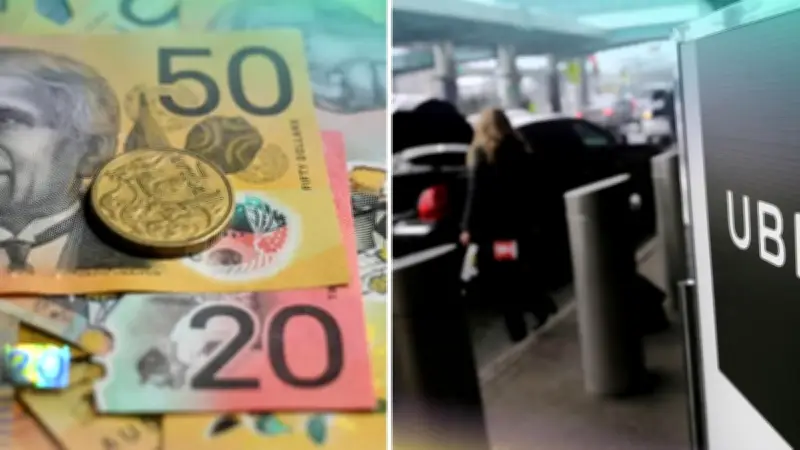
Uber will introduce cash payments for rides across most of Australia from July 16, a move the company says addresses customer demand and supports those who prefer physical currency. The option will be available in all states and territories except Queensland, with no official reason provided for the exclusion.
How the Cash Payment Option Works
Customers will continue to book trips through the Uber app, selecting cash as their payment method. The fare will be displayed upfront, and riders pay the driver in cash at the end of the journey. Drivers can opt out of accepting cash payments if they prefer not to handle physical money. Uber has implemented features to make the process seamless, including the ability to pay any shortfall via the app before booking the next trip.
The cash option will not be available for intercity trips, courier services, Uber Pool, or Uber for Teens. Uber Australia and New Zealand managing director Emma Foley said, “We know many Australians still choose to use cash to manage their everyday spending - whether that’s people who feel more comfortable using cash, young people working within a weekly budget, or households looking for more control over their expenses.” She added that the option also helps visitors arriving in Australia who may prefer using cash while navigating a new destination.

Pilot Success and Market Context
Uber’s decision follows successful pilot trials in Launceston, Tasmania, and Bunbury, Western Australia. The cash payment feature is already available in over 70 countries, including France, Japan, and the UK. According to analysts, Uber controls about 80% of Australia’s rideshare market, and this move could further disrupt the taxi industry, which has continued to accept cash.
Rising Cash Usage in Australia
The announcement comes as a new survey from the Reserve Bank of Australia shows cash usage is on the rise. About 15% of payments were made using cash in 2025, up from 13% in 2022. This marks the first increase in cash usage since 2007, when 70% of purchases were made with physical money. The trend reflects a shift back to cash for budgeting and control, despite the broader move toward digital payments.