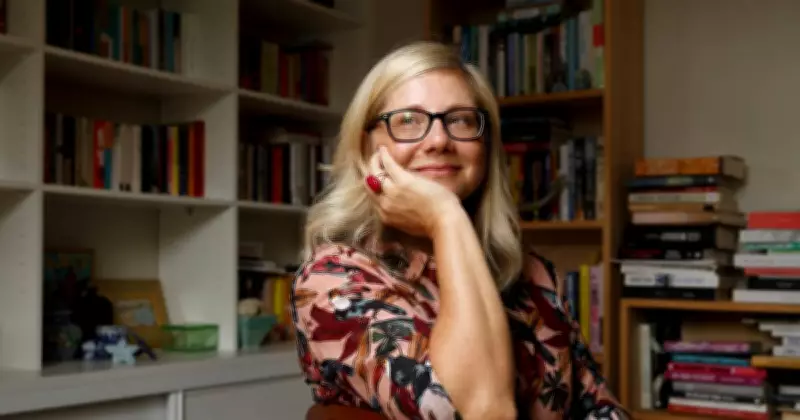
Rosemarie Milsom, the director of the Newcastle Writers Festival, has opened up about the intricate politics and challenges involved in running a major literary event. In a candid interview, she revealed the delicate balancing act required to satisfy authors, sponsors, audiences, and the broader community while maintaining the festival's integrity and appeal.
The Balancing Act of Festival Curation
Milsom explained that curating a writers festival is far more complex than simply selecting a lineup of popular authors. She must navigate the expectations of publishers, the demands of high-profile writers, and the need to represent diverse voices. “Every decision we make has political implications,” she said. “We have to consider who is included and who is left out, and that can be a minefield.”
She emphasised that the festival aims to reflect the diversity of Australian society, but achieving this is not always straightforward. “We have to be mindful of representation across gender, race, and cultural background, but we also need to ensure the program is commercially viable,” Milsom added.

Financial Pressures and Sponsorship
Like many cultural events, the Newcastle Writers Festival relies heavily on sponsorship and government funding. Milsom noted that financial constraints often dictate which authors can be invited, as travel and accommodation costs can be prohibitive. “We have to be strategic about our budget,” she said. “Sometimes we have to choose between a big-name international author and several local writers.”
She also discussed the challenge of securing sponsors without compromising the festival's independence. “We are grateful for corporate support, but we have to ensure that our editorial content is not influenced by our sponsors,” Milsom stressed. “That integrity is crucial.”
Audience Expectations and Engagement
Milsom highlighted the evolving expectations of festival-goers. Audiences today want more than just author talks; they seek immersive experiences, workshops, and opportunities for interaction. “We have to constantly innovate to keep our audience engaged,” she said. “This means incorporating digital elements, panel discussions, and even performances.”
The festival also faces the challenge of attracting younger audiences who are less inclined to attend traditional literary events. “We are experimenting with different formats and venues to make the festival more accessible and appealing to a younger demographic,” Milsom explained.
The Politics of Controversy
Milsom acknowledged that writers festivals sometimes become arenas for political debate. She recalled instances where authors have sparked controversy, leading to calls for their disinvitation. “We have to decide whether to engage with controversy or avoid it,” she said. “Our role is to foster discussion, not to censor, but we also have a responsibility to ensure the safety and comfort of our audience.”
She added that the festival has protocols in place for handling contentious situations, but each case is unique. “It’s a judgment call every time,” Milsom admitted.
Community and Local Identity
The Newcastle Writers Festival is deeply rooted in its local community. Milsom emphasised the importance of showcasing local authors and stories. “We are not just importing culture from Sydney or Melbourne; we are celebrating what makes Newcastle unique,” she said. This includes partnering with local schools, libraries, and community groups to foster a love of reading and writing.
However, she noted that balancing local and national interests can be tricky. “We want to put Newcastle on the map, but we also need to attract audiences from outside the region to sustain the festival financially,” she explained.
Future Directions
Looking ahead, Milsom is focused on making the festival more sustainable and inclusive. She plans to expand digital offerings to reach a wider audience and to reduce the environmental impact of the event. “We are exploring ways to make the festival greener, from reducing waste to offsetting carbon emissions,” she said.

She also hopes to increase the festival's focus on emerging writers and underrepresented voices. “The future of literature depends on nurturing new talent,” Milsom concluded. “That is a responsibility we take very seriously.”
The Newcastle Writers Festival continues to be a vital part of the city's cultural calendar, and Milsom's insights reveal the dedication and complexity behind its success.