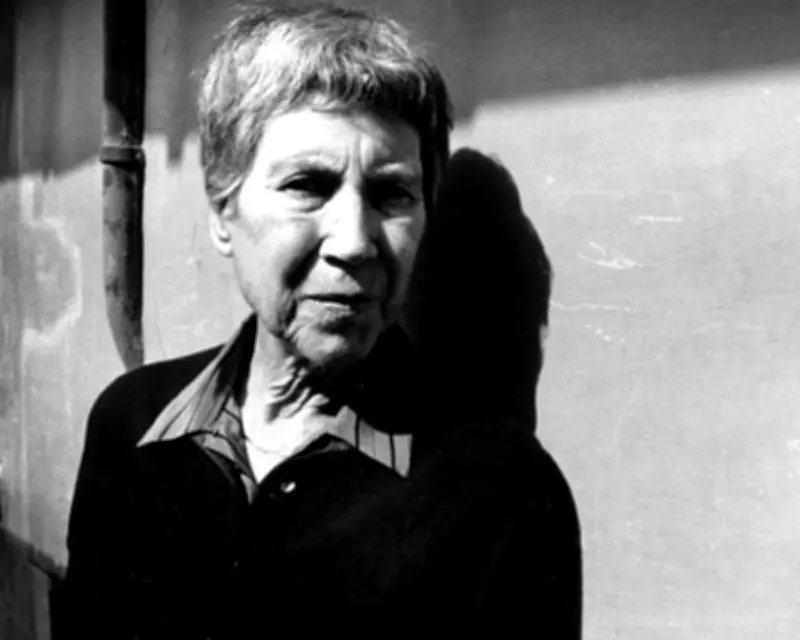
Natalia Ginzburg, one of Italy's most distinctive literary voices of the 20th century, remains frequently overlooked in discussions of Italian literature, despite her profound impact on the novel and memoir genres. Her works, characterized by their spare prose and deep psychological insight, offer a unique perspective on family, politics, and ordinary life under fascism.
Ginzburg's Literary Style and Themes
Ginzburg's writing is known for its deceptive simplicity. She often wrote about domestic life, but her seemingly quiet narratives were infused with political and social commentary. Her novels, such as Lessico famigliare (Family Sayings), which won the Strega Prize in 1963, delve into the complexities of family relationships against the backdrop of Italy's turbulent history.
According to literary critic Tim Parks, Ginzburg's work "achieves a kind of emotional resonance that is rare in modern fiction, precisely because she avoids melodrama and lets the details speak for themselves." This approach has won her admirers but also means she is sometimes underestimated by those who equate literary importance with stylistic flamboyance.

Political Engagement and Exile
Ginzburg was not only a writer but also a political activist. She was married to Leone Ginzburg, an anti-fascist intellectual who died in prison in 1944. During World War II, she was forced into internal exile by the fascist regime. These experiences deeply shaped her worldview and her writing.
Her essay collection Le piccole virtù (The Little Virtues) reflects on morality, parenting, and the importance of small acts of kindness in a harsh world. The book has been praised for its timeless wisdom and remains a touchstone for readers seeking literature that grapples with ethical questions.
Rediscovering Ginzburg's Legacy
In recent years, there has been a resurgence of interest in Ginzburg's work, particularly among younger readers and scholars. New translations of her novels and essays have introduced her to English-speaking audiences, and her influence can be seen in contemporary writers who favor understated, emotionally resonant prose.
As noted by translator and scholar Jenny McPhee, "Ginzburg's ability to capture the texture of everyday life while never losing sight of the larger historical forces at play makes her work urgently relevant today." This renewed attention is helping to secure her place in the canon of 20th-century literature.
Conclusion
Natalia Ginzburg's role in Italian literature is essential, not peripheral. Her unique voice, blending the personal with the political, offers a model for how literature can engage with history without losing its intimacy. As readers continue to discover her work, it is clear that her legacy will endure.