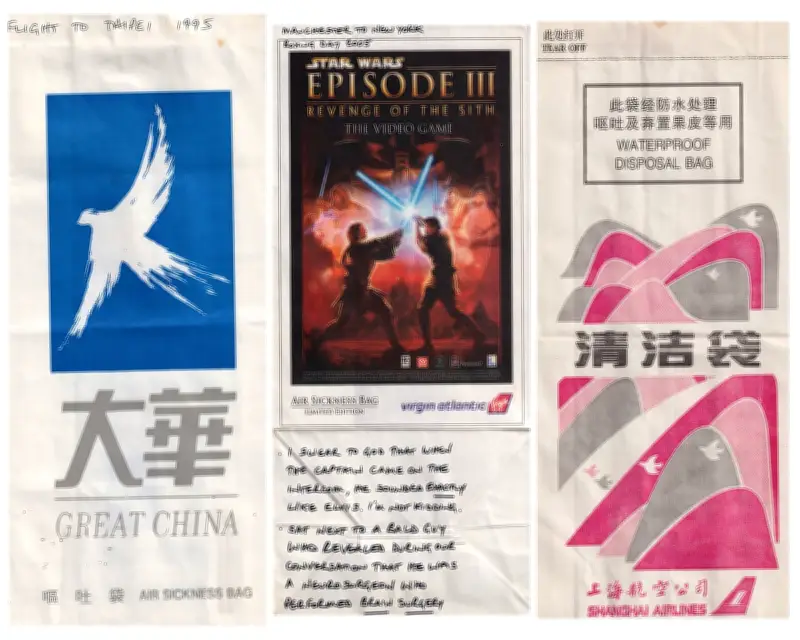
Elizabeth McCaferty's latest work, 'Sicko Sick Bag', has ignited a fierce debate about the boundaries of literary art and the representation of medical trauma. The book, a collection of essays and images documenting the contents of hospital sick bags, offers an unflinching look at the physical remnants of illness.
Unconventional Material
McCaferty spent two years collecting sick bags from various hospitals, documenting their contents, and interviewing patients about their experiences. The result is a visceral exploration of vulnerability and the often-hidden aspects of healthcare. Critics have praised the book for its raw honesty, while others have questioned its artistic merit and potential to exploit patient suffering.
Mixed Reception
According to literary critic Sarah Jenkins, 'McCaferty's work is a bold challenge to conventional notions of beauty and narrative. It forces readers to confront the messy reality of illness.' However, some readers have expressed discomfort, with one calling it 'gratuitous and invasive.' The book has sold over 10,000 copies in its first week, indicating significant public interest.

In an interview, McCaferty stated, 'I wanted to give voice to the silent witnesses of our suffering. These bags hold stories that are often discarded.' The book has been shortlisted for the prestigious Turner Literary Prize, further cementing its impact on contemporary literature.
Broader Implications
The controversy surrounding 'Sicko Sick Bag' raises questions about the role of art in addressing medical trauma and the ethics of using personal medical waste as artistic material. Some medical professionals have voiced support, arguing that it highlights the emotional toll of illness. Others worry about privacy and the potential for sensationalism.
As the debate continues, McCaferty's work stands as a provocative addition to the growing genre of 'medical humanities' literature, which seeks to bridge the gap between clinical practice and human experience.