Canberra's Path Infrastructure Crisis: Safety Concerns Mount as Demand Outpaces Development
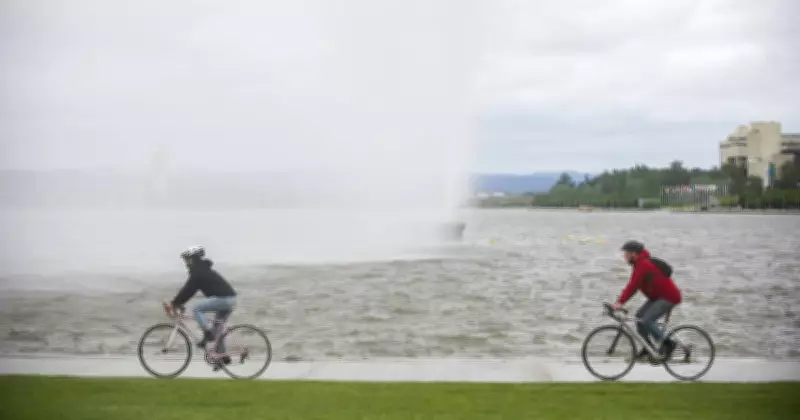
Canberrans are voicing significant concerns over the city's shared path infrastructure, particularly around Lake Burley Griffin, where increasing congestion is creating dangerous conditions for walkers, joggers, and cyclists. The natural appeal of the lake area attracts users moving at vastly different speeds, yet the infrastructure has failed to evolve alongside growing demand.
Shared Paths Become Congestion Hotspots
The core issue, as highlighted by multiple residents, is that path infrastructure is not keeping pace with ever-increasing usage. Lake Burley Griffin paths remain mostly shared despite the dramatic rise in people using them at greatly varied speeds. Terry George from Kingston argues that simply urging users to be more considerate is insufficient when the paths have become so congested and their design so unforgiving of minor mistakes.
Collisions are becoming almost inevitable despite best intentions, according to George, who points out that the current system's limitations are creating unnecessary conflict between different user groups. The solution, he suggests, lies in constructing separate wide paths for walkers and cyclists – an approach Canberra has implemented too sparingly and at what he describes as a glacial pace.

Missed Opportunities and Government Inaction
Canberra has few separated paths, and expansion occurs slowly despite numerous opportunities in new developments like Acton Waterfront not being utilized. Pleas to both the ACT government and National Capital Authority, particularly regarding the Central Basin circuit, appear to fall on deaf ears. George cynically suspects that it suits both authorities to have path users fighting each other for limited space rather than uniting to demand a properly separated, well-designed system that ensures safety for everyone.
This infrastructure debate coincides with broader political concerns about community amenities. J. Bryant from Chifley questions recent promises from Chief Minister Andrew Barr regarding an ACT Aquatic Strategy, including a 50-meter outdoor pool in Woden and a diving facility. Bryant notes these promises come with conditions and uncertainties, recalling how a previous election promise for a Woden pool was quashed after the election and later reframed as foreshadowing.
Political Maneuvering and Community Skepticism
Canberrans have become increasingly alarmed by what they perceive as steady erosion of community and recreation amenities, especially in southern areas and Woden, to facilitate land development. Under the new deregulated Territory Plan, standards and guardrails have been removed, leading to what Bryant describes as horrendous ad hoc multi-storey developments. These moves, Bryant suggests, might stem from a government struggling with fiscal mismanagement, compounding interest on loans, and projected billion-dollar debt by 2028-29.
The political landscape features additional complexity with discussions about potential power shifts. D. Bogusz from Greenway urges Canberrans to think carefully about their next vote, suggesting that in lieu of major parties, more independents might help keep politicians accountable. This sentiment emerges alongside revelations about secret negotiations between ACT Greens leader Shane Rattenbury and Canberra Liberals about potentially forming a government with right-wing support.
AI Entertainment and Historical Corrections
Beyond infrastructure and politics, residents share lighter observations about technology's imperfections. Sep Westerhuis from Harrison notes amusement at AI-generated television subtitles during the Australian Open tennis, where players' names appeared incorrectly – Jannik Sinner became Jannik Cena, and Thanasi Kokkinakis appeared as Nasty Kokkinakis. Even the men's doubles were described as Ben's Doubles, and ball kids became bored kids.

Historical accuracy also receives attention, with Nigel Thompson from Queanbeyan correcting former Greens leader Bob Brown's claim about conservative and Labor ministers serving together in a joint cabinet during World War II. Thompson clarifies that while Prime Minister Robert Menzies proposed such an arrangement, a non-executive Advisory War Council was established instead at opposition leader John Curtin's suggestion.
Broader Political Commentary
Letters also address federal political developments, with Patrick McMahon from Wanniassa noting chaos in conservative parties and calling for more effective opposition to maintain healthy democracy. John Kimber from Lyneham critiques what he sees as disproportionate focus on Donald Trump compared to other authoritarian leaders, while Linus Cole from Palmerston questions hypocrisy in political criticism.
From infrastructure safety to political accountability, Canberra residents are engaging critically with their city's development and governance. The consistent theme across these letters is a call for practical solutions over political maneuvering, genuine commitment over conditional promises, and infrastructure that genuinely serves a growing community's needs.