Claremont Council Flags Bold $240k-a-Year Plan to Fight Invasive Tree-Killing Pest
Claremont council is poised to commit significant new funding to combat the destructive shot-hole borer beetle that has ripped through Perth's urban canopy. The council endorsed a comprehensive strategy to address the spread of the polyphagous shot hole borer at its meeting last month.
Long-Term Management Strategy
The long-term management plan, costing $240,000 annually, is expected to be formally adopted as part of the 2026–27 budget process in June. This invasive beetle has already infested hundreds of trees across the suburb, forcing the removal of 250 trees to date — including 73 street trees and 177 trees in parks.
The town has already been spending $20,000 monthly since December as an emergency response to treat affected trees. The new strategy plans to continue this funding from 2026–27 onwards, bringing the yearly cost of ongoing management of the infestation to $240,000 annually.

Proactive Approach to Pest Control
The strategy outlines a proactive approach that includes multiple components:
- Tree removal and pruning of infected specimens
- Chemical treatments to control beetle populations
- Continued monitoring of tree health and infestation spread
- Investment in overall tree health to improve resilience
It also proposes increased surveillance measures such as trapping and data collection, alongside trials of emerging treatment methods and collaboration with scientific and commercial experts.
Government Funding and Responsibility Shift
The move follows a $110,009 funding boost from the State Government through its Local Government Grant Program for WA tree recovery. This program was introduced after the State Government stepped back from its eradication efforts, shifting responsibility for managing the pest onto local governments.
Threat to Claremont's Identity
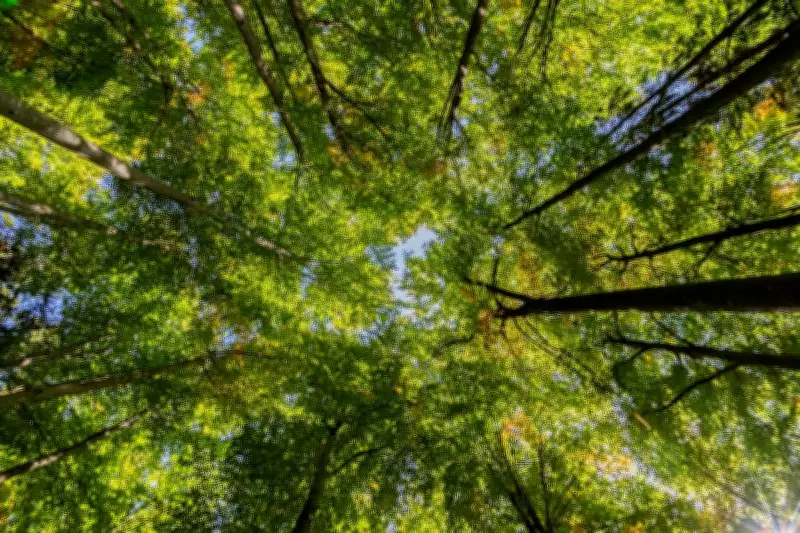
According to the strategy report, Claremont's identity as one of Perth's "leafiest" suburbs could be at risk if the infestation is left unchecked. The canopy loss could potentially contribute to increased urban heat and reduced amenity for residents.
A progress report on the program's effectiveness is expected in early 2027, and ongoing funding will likely be required as the council continues to respond to the pest. The beetle infestation represents a significant environmental and financial challenge for the community.