Why Dennis Could Win the BRS Case: A Legal Perspective
Section 80 of the Australian Constitution, along with related provisions, might not be the most thrilling read, but it holds critical implications for high-profile legal battles. Similarly, the 1993 High Court decision involving Harvey and Beryl Cheatle, who faced fraud charges, sets precedents that could shape outcomes in contemporary cases. As Ben Roberts-Smith resides in Silverwater prison, these legal intricacies may become central to his defense strategy in the war crimes trial.
The Constitutional and Legal Framework
Section 80 mandates that citizens charged with serious Federal offences must undergo a trial by jury, eliminating the option for judge-alone proceedings available in State jurisdictions. The Cheatle decision further requires that juries in Federal cases reach a unanimous verdict, unlike State courts where majority decisions can suffice. This means for Roberts-Smith to be convicted of war crimes, all 12 jurors must find him guilty beyond a reasonable doubt.
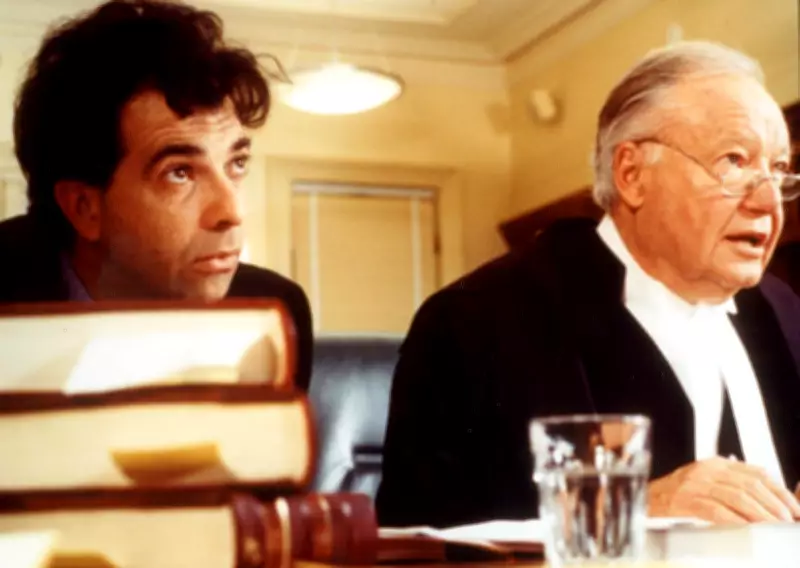
His legal team only needs to plant doubt in one juror's mind to secure an acquittal, a task that even a fictional character like Dennis Denuto might manage with arguments about the "vibe" of war's chaos. This high bar underscores the challenges prosecutors face in such complex cases.

Investigative Hurdles in a War Zone Context
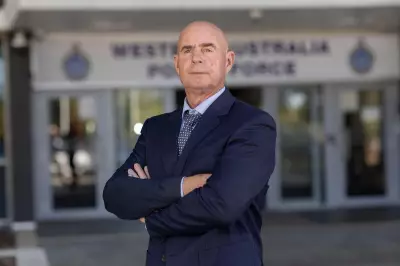
Ross Barnett, head of the Office of the Special Investigator (OSI), highlighted significant obstacles at a recent press conference. The investigation involves dozens of alleged murders in Afghanistan, a war zone 9000km away that is now inaccessible. Without access to crime scenes, bodies, or forensic evidence like photographs, site plans, and projectiles, building a solid case becomes exceptionally difficult.
Barnett's comments suggest a strategy of managing expectations, potentially pre-empting a not-guilty verdict by emphasizing these limitations. From a crime reporting perspective, securing a murder conviction without a body or weapon is notoriously tough, raising questions about the trial's feasibility.
Personal Reflections and Broader Implications
As a journalist with connections to Roberts-Smith through shared employment and Perth ties, I approach this topic with transparency. While personal biases exist, I refrain from taking a hardened stance on guilt or innocence. Instead, I consider quotes from figures like Theodore Roosevelt and Winston Churchill, which remind us of the complexities in judging those who undertake violent duties on society's behalf.
The argument arises that such cases might be better suited for military tribunals, as civilian juries may struggle to comprehend the institutionalized brutality of war. A passage from a book by former SAS soldiers Ben Pronk and Tim Curtis illustrates the horrific realities of combat, questioning whether any jury can impartially weigh such contexts.
Ultimately, the combination of legal requirements and evidentiary gaps suggests Roberts-Smith could walk free unless prosecutors find an exceptionally understanding jury. This analysis does not celebrate or condemn potential outcomes but aims to shed light on the intricate dynamics at play in one of Australia's most watched legal proceedings.