Australia Confronts Heightened Bushfire Danger Amid Climate Predictions
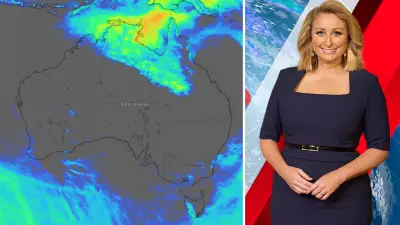
As Australia moves into the latter part of the year, the threat of bushfires is intensifying, with meteorologists forecasting a period of dry and hot conditions. This shift follows a phase of widespread rain and flooding, now transitioning to drought-like scenarios largely attributed to an anticipated El Nino event, expected to be declared in the coming weeks.
Understanding the Climate Drivers
El Nino represents a sustained warming in the Pacific Ocean that can persist for many months, typically leading to reduced rainfall, elevated temperatures, and increased fire hazards. Compounding this, the Bureau of Meteorology has also projected a positive Indian Ocean Dipole (IOD), which similarly results in diminished precipitation, warmer conditions both day and night, and heightened fire risks throughout winter.
Felim Hanniffy, a senior meteorologist at the Bureau of Meteorology, explained, "El Nino is driven by broad warming of the central and eastern Pacific, affecting oceanic currents and subsequently influencing climatic weather patterns across the region." The simultaneous occurrence of these two climate phenomena on opposite sides of the country has raised significant concerns among forecasters.

Rainfall Forecasts and Regional Impacts
Despite a wet start to 2026 in some tropical and inland areas, regions such as northeast New South Wales and southeast Queensland have experienced below-average rainfall this year. The Bureau of Meteorology's long-range forecast from May to July indicates that these dry conditions are likely to persist, exacerbating bushfire risks as spring and summer approach.
Hanniffy noted, "We expect a current warming trend in the central and eastern Pacific to continue, with most models favoring El Nino conditions developing during winter months." Data suggests a strong likelihood of a robust El Nino year, with some models predicting its onset as early as May, while others point to July.
Reflecting on past events, Hanniffy highlighted that the previous El Nino in 2023-2024 led to the third driest period from August to October on record for Australia, preceded by a strong event in 2015-2016. However, he cautioned that El Ninos are "not governed by their strength," meaning each event varies in its impact on Australian climate, akin to a unique fingerprint.
Bushfire Risks in Key Regions
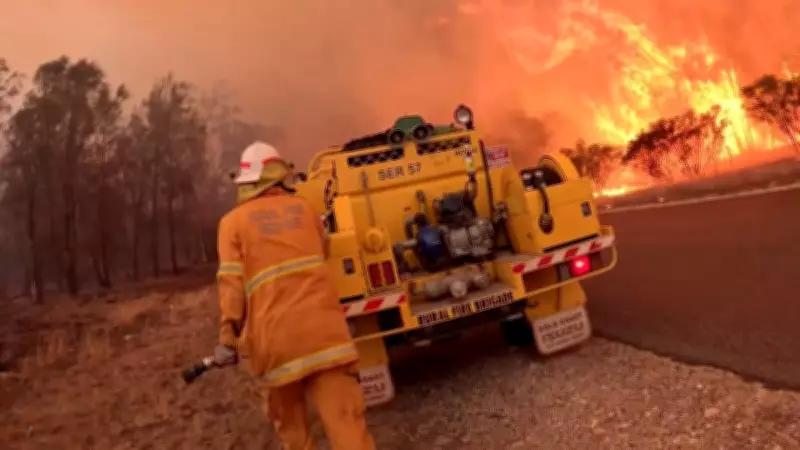
Large portions of northeast New South Wales and southeast Queensland are anticipated to face some of the most severe fire dangers in the coming months, driven by low rainfall and above-average temperatures. In Queensland, fire prevention efforts are widespread across the southeast, from north of Brisbane to the Gold Coast hinterland, with multi-day reduction burns already initiated in areas like Brisbane and the Scenic Rim.
Joel Gordon, acting deputy chief officer of the Queensland Region Rural Fire Service, warned that conditions could become "volatile" without adequate preparation. "We've seen conditions drying out across southeast Queensland and the southern interior, with fuels priming to carry fire through the landscape," he stated. He added that wet years have regenerated vegetation lost in the 2019 fires, increasing fuel loads and potential fire intensity.
Firefighters in Queensland's southeast are proactively preparing for extreme risks, with Gordon emphasizing that untreated areas with significant fuel loads could lead to volatile situations. Weather forecasters are closely monitoring these developments, with Hanniffy noting, "The watch point is the drier outlook and already dry conditions following the wet season, which will be critical as we head into winter and early spring."
Agricultural Concerns in New South Wales
Farmers in New South Wales are growing increasingly anxious about an impending drought, with over half the state now on alert for a hot, dry El Nino later this year. Near Narrabri in the northwest, sheep farmer Dave Sealy is preparing for earlier stock sales due to drought fears, stating, "Our stock numbers are going to be at the lowest for sheep and cattle in a long time."

The latest Bureau of Meteorology update indicates that more than half of New South Wales is drought-affected, with soil moisture deficits influencing farming decisions. Cattle farmer Dave Fenwicke remarked, "There'll be no real storms. Everybody's facing the same issue with feed and water." This situation adds to existing worries about fertiliser and fuel costs, heightening the overall stress on agricultural communities.
As Australia navigates these challenging climate conditions, the combined effects of El Nino and a positive Indian Ocean Dipole underscore the urgent need for preparedness and proactive measures to mitigate bushfire risks and support affected industries.