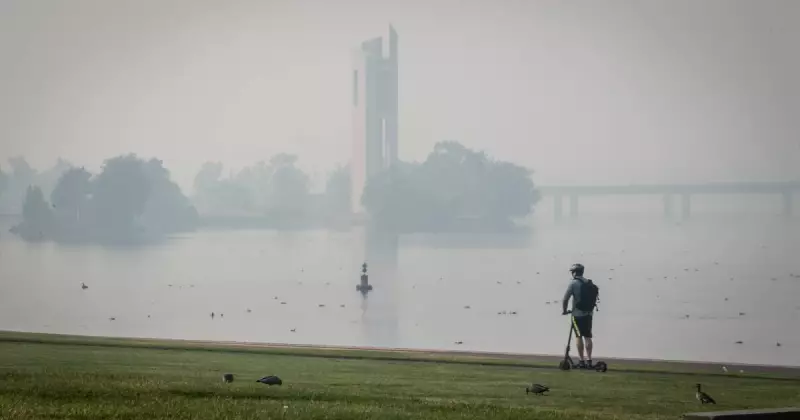
The familiar scent of smoke on a summer breeze is an unmistakable sign that bushfires are burning somewhere across the Australian landscape. Even when flames are dozens of kilometres distant, the resulting haze can significantly degrade air quality, posing a serious threat to public health. Professor Brian Oliver from the University of Technology Sydney warns that there is no safe level of exposure to bushfire smoke, with certain groups like the elderly and those with pre-existing conditions being especially vulnerable.
Understanding the Health Impacts of Smoke
Bushfire smoke is a dangerous cocktail containing fine particulate matter (known as PM2.5), various vapours, and gases like carbon dioxide and nitrogen oxides. Inhaling this toxic mix interferes with lung function and cellular processes within the body. Health effects can be both immediate and long-term, with risk increasing based on proximity to the fire and duration of exposure.
Short-term symptoms often include itchy eyes, a runny nose, sore throat, wheezing, and coughing. While these may clear up for healthy individuals once they move away from the smoke, they can become severe or even fatal for at-risk groups. These groups encompass children, the elderly, pregnant individuals, and people with conditions like asthma, diabetes, or heart and lung diseases. Difficulty breathing or chest pain requires an immediate call to 000.

The long-term consequences, though receiving less attention, are grave. Sustained exposure is linked to chronic obstructive pulmonary disease (COPD), heightened risk of cardiovascular disease, and associations with dementia and certain cancers. For pregnant women, smoke exposure can lead to lower birth weights and increase a child's future asthma risk.
Creating a Safe Indoor Environment
Your first line of defence is to stay indoors with doors and windows sealed. Set air conditioning units to 'recirculate' mode to prevent outdoor air from entering. Using an indoor air purifier with a high-quality filter is highly recommended.
Look for purifiers equipped with certified True HEPA (H13 or H14) filters, which capture at least 99.97% of fine particles. Be wary of misleading terms like "HEPA-style" or "99% HEPA," which indicate inferior products. Remember, even the best filter must be replaced regularly, typically every 12 months, and fitted correctly to be effective.
Some air conditioner filters can be upgraded to HEPA standard; consult with a service agent for compatibility. While indoor plants can help remove toxic gases from smoke, they do not filter particles and should be used in conjunction with, not as a replacement for, an air purifier.
Essential Precautions for Outdoor Exposure
When you must go outside, wearing a properly fitted mask is crucial. Masks rated N95 or P3 offer the best protection against harmful particles, but only if they form a tight seal on your face. It's important to note these masks do not block toxic gases.
For those working outdoors near fire fronts, a respirator or gas mask that filters gases or supplies clean air may be necessary. Professional fit-testing is the best way to ensure efficacy. Surgical masks or cloth coverings like scarves offer minimal protection and should be considered a last resort only. If you are close to a fire, follow all Rural Fire Service advice, as masks alone are insufficient against heat and embers.
The key takeaway is to be proactive. Monitor air quality via government sites like Air Quality NSW or the federal government's air quality portal. If you have health concerns, especially if pregnant or managing a chronic condition, speak with your healthcare provider. In any emergency, always call triple zero (000).