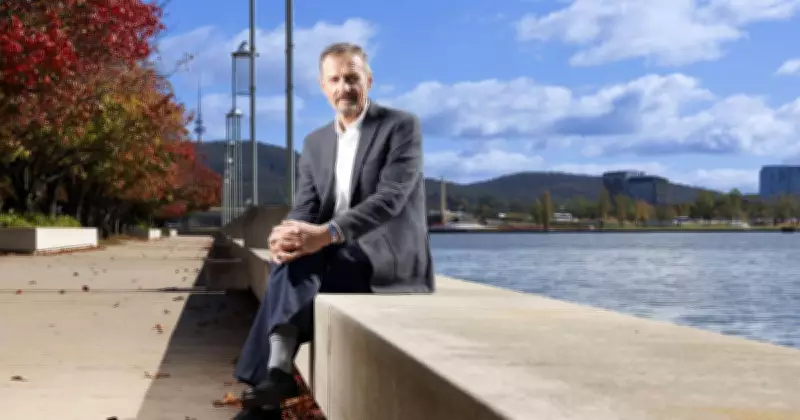
Les Buszynski, a long-time Canberran, has shared vivid memories of life in the national capital before the creation of Lake Burley Griffin, offering a glimpse into a bygone era of dusty roads, close-knit communities, and a city still finding its identity.
A City Transformed
Before the lake was filled in 1963, Canberra was a very different place. Buszynski recalls that the Molonglo River meandered through a broad, often dry riverbed, which was a popular spot for picnics and informal gatherings. The landscape was dominated by open paddocks and construction sites as the city slowly took shape.
Daily Life in the 1950s
Buszynski describes a childhood filled with simple pleasures. Children played in the streets, rode bikes along unpaved roads, and swam in the Molonglo during summer. The city's small population meant that everyone knew each other, fostering a strong sense of community. Shops were few, and families often relied on local markets and home-grown produce.

Transport was limited, with most people walking or cycling. The first traffic lights were installed only in the late 1950s, and cars were a luxury. Buszynski remembers the excitement of catching a bus to the city centre, which was then a modest collection of buildings around Civic Square.
The Lake's Impact
The creation of Lake Burley Griffin was a transformative event. Buszynski recalls the construction process, which involved damming the Molonglo River and flooding the valley. While it brought modernisation and a new aesthetic to Canberra, it also erased many familiar landmarks and natural features. The lake quickly became a centrepiece for recreation, with sailing, fishing, and picnicking becoming popular activities.
However, Buszynski notes that the change was not without loss. The riverbed had been a gathering place for families and community events, and its disappearance altered the social fabric of the city. Despite this, he acknowledges that the lake helped define Canberra's identity and attracted more residents and tourists.
Memories of Community
Buszynski emphasises the strong community bonds that existed before the lake. Neighbours helped each other, and local events like the Royal Canberra Show were highlights of the year. Schools were small, and teachers often knew each student personally. The slower pace of life allowed for deeper connections, something he feels has been lost in the modern era.
He also recalls the natural environment, with abundant wildlife including kangaroos, echidnas, and a variety of birds. The bushland surrounding Canberra was a playground for adventurous children, who would explore and camp out for days at a time.
A Changing Landscape
The development of Lake Burley Griffin was part of a broader plan to transform Canberra into a modern capital. Buszynski witnessed the construction of many iconic buildings, including the Australian National University and the National Library. He notes that while the city has grown and prospered, some of the charm of the early days has faded.
Today, Canberra is a bustling city with a vibrant cultural scene, but Buszynski's stories serve as a reminder of its humble beginnings. His memories capture a time when the city was still discovering itself, and the community was at the heart of everything.
Les Buszynski's recollections are a valuable record of Canberra's history, preserving the spirit of a city that has undergone remarkable change. They offer a personal perspective on how the creation of Lake Burley Griffin reshaped not only the landscape but also the lives of those who called Canberra home.