Absent Summer Trade Winds Exacerbate Coral Bleaching on Great Barrier Reef
A recent scientific investigation has uncovered a critical factor contributing to the severe coral bleaching events plaguing the Great Barrier Reef. The study, conducted by marine researchers, points to the absence of typical summer trade winds as a key driver in escalating bleaching incidents. This phenomenon has raised significant concerns among environmental scientists and conservationists about the long-term health of this iconic Australian marine ecosystem.
Impact of Wind Patterns on Reef Health
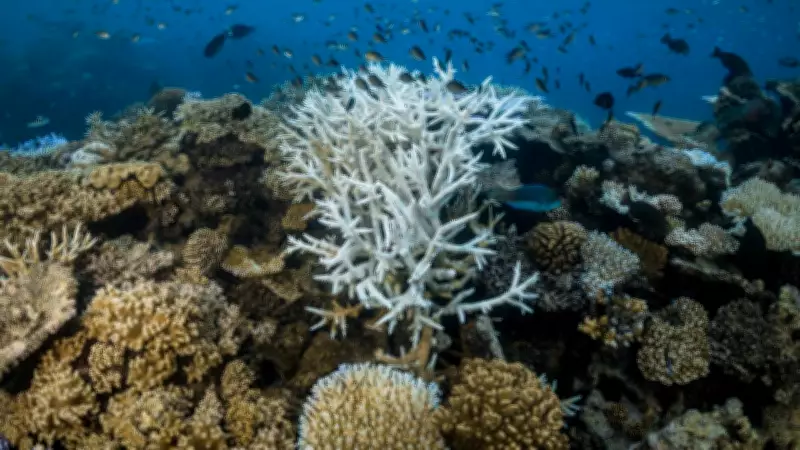
The research indicates that summer trade winds, which normally help to cool ocean surface temperatures and promote water circulation, have been notably absent in recent years. Without these winds, sea temperatures around the reef have risen more rapidly, creating stressful conditions for coral polyps. This thermal stress forces corals to expel the symbiotic algae that provide them with nutrients and colour, leading to widespread bleaching and, if prolonged, mortality.
The findings suggest that climate change is altering wind patterns, which in turn exacerbates the effects of global warming on marine environments. Scientists warn that this combination of factors could lead to more frequent and severe bleaching events, threatening the biodiversity and resilience of the Great Barrier Reef.

Broader Environmental Implications
This study adds to a growing body of evidence linking human-induced climate change to specific ecological impacts. The Great Barrier Reef, a UNESCO World Heritage site, is particularly vulnerable due to its location in a region experiencing significant climatic shifts. The absence of trade winds not only affects coral health but also disrupts marine life cycles and local weather patterns, with potential consequences for coastal communities and industries such as tourism and fishing.
Conservation efforts are now focusing on mitigating these impacts through enhanced monitoring and adaptive management strategies. Researchers emphasise the need for global action to reduce greenhouse gas emissions, as local measures alone may be insufficient to counteract the large-scale environmental changes driving wind pattern alterations.
Future Outlook and Research Directions
Looking ahead, scientists plan to continue studying the interplay between wind patterns, ocean temperatures, and coral health. Key areas of focus include:
- Developing more accurate climate models to predict future wind behaviour.
- Investigating the potential for coral adaptation or acclimatisation to changing conditions.
- Exploring innovative conservation techniques, such as assisted coral migration or genetic resilience enhancement.
This research underscores the interconnectedness of atmospheric and marine systems, highlighting how shifts in one can have profound effects on the other. As the Great Barrier Reef faces ongoing challenges, understanding these dynamics is crucial for informing policy and conservation initiatives aimed at preserving this natural wonder for future generations.