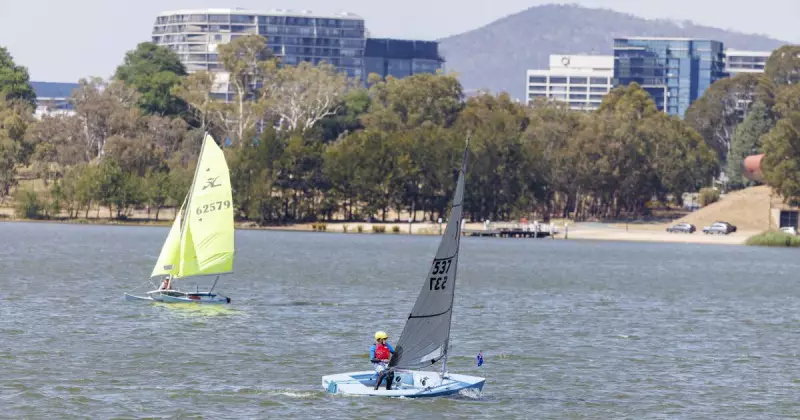
Australia is currently enduring a severe heatwave, with conditions in many regions reaching unprecedented levels not experienced for over two decades. This extreme weather event serves as a powerful and urgent reminder of the ongoing global climate crisis that demands immediate attention.
Unprecedented Temperatures Across the Nation
Forecasts indicate that parts of New South Wales could see temperatures soar as high as 48 degrees Celsius. In the Australian Capital Territory, the Bureau of Meteorology predicts a peak of 43 degrees on Wednesday. Meanwhile, Victoria, already grappling with devastating bushfires, is experiencing its most intense heatwave since the tragic Black Saturday events of 2009.
Even those who typically enjoy summer warmth acknowledge that temperatures in the 40s – and particularly those approaching 50 degrees – are dangerously extreme, forcing people to seek refuge in whatever cool spaces they can find.

The Unmistakable Link to Global Warming
These heatwaves should serve as a stark reminder about the reality of global warming. Amid current political uncertainties in Australia and internationally, it's crucial not to lose sight of this persistent, long-term crisis. Global warming represents a slow but relentless burn that requires more urgent action today than it did just five years ago.
The scientific consensus is now unequivocal: human activities, particularly the burning of carbon-based fuels, represent the primary driver of climate change. This conclusion stands firm despite ongoing assertions from coal industry advocates and political figures who continue to question established science.
Complex Environmental Interactions
One particularly concerning aspect of climate change is that scientists still don't fully comprehend all its implications. Our environment comprises an intricate web of interconnected systems spanning air, land, and water. Altering one component inevitably triggers changes throughout the entire system, often in unpredictable ways with cascading effects.
Recent research from the Australian National University illustrates this complexity. A study concluded that changes in global rainfall patterns, combined with increasing air temperature and humidity, amplified water-related disasters like floods and droughts throughout 2025.
Professor Albert Van Dijk, who leads the Centre for Water and Landscape Dynamics at ANU, explained the mechanisms at work. "Higher temperatures accelerate evaporation from soil, vegetation and inland waters, producing dry conditions more quickly than before," he noted. "At the same time, warmer air can hold more moisture, which increases the potential for intense rainfall. Together, these processes intensify both floods and droughts, sometimes in rapid succession."
The Global Climate Picture
On a global scale, the evidence continues to mount. The decade from 2015 stands as the warmest on record. According to United Nations data, each of the last four decades has been warmer than any previous decade since 1850.
The UN has outlined the extensive consequences of climate change, which include:
- Intense droughts and water scarcity
- Severe bushfires and wildfires
- Rising sea levels and coastal flooding
- Melting polar ice caps
- Catastrophic storm events
- Declining biodiversity and ecosystem collapse
Policy Debates and Practical Solutions
While the scientific reality of human-caused climate change is settled, legitimate debates continue about the most effective response strategies. Key questions remain about:
- The appropriate role of nuclear power in Australia's energy transition
- Whether renewable sources like wind and solar can adequately replace coal-fired power
- The economic costs of transition and who should bear them
As climate patterns become increasingly erratic, scientists anticipate that new, unforeseen environmental connections will continue to emerge, presenting additional challenges for policymakers and communities alike.

The Human and Economic Toll
An Australia characterized by unbearable temperatures represents more than just personal discomfort. Such conditions would constitute a national disaster, bringing disruptive extremes of drought and flood that carry substantial human and economic burdens.
The analogy is clear: we cannot afford to put climate action on the back burner. Failure to address this crisis with appropriate urgency risks reaching a point where a liveable planet becomes merely a memory rather than a reality for future generations.