A 54-year-old man from the Perth suburb of Success has been slapped with a $6000 fine after being convicted of interfering with commercial fishing gear and operating without a valid commercial fishing licence in Cockburn Sound.
Court Action Following Fisheries Investigation
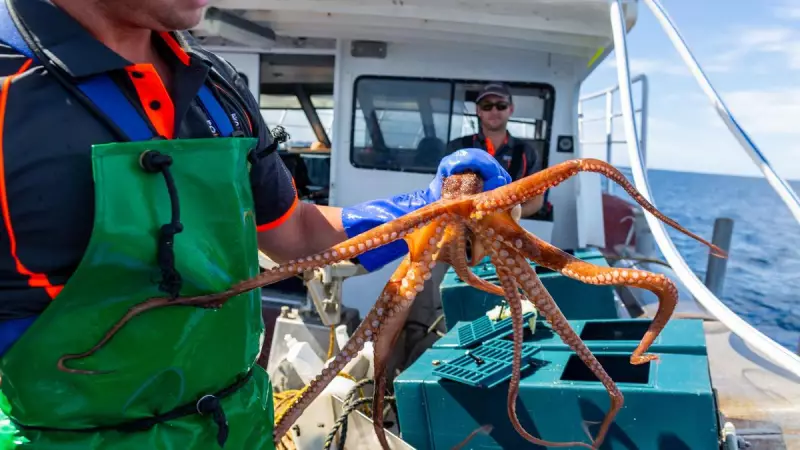
The Fremantle Magistrates Court imposed the significant penalty last week, concluding a case brought by the Department of Primary Industries and Regional Development. Fisheries officers had observed the man in July 2023, actively cutting the float lines attached to four octopus pots from a vessel within the waters of Cockburn Sound.
Evidence of Unlicensed Fishing Activity
Officers promptly retrieved the four floats from the water. These floats were clearly marked with the commercial licence number belonging to another fisherman who is legally authorised to operate in the Cockburn Sound area. A subsequent and thorough investigation revealed an extended pattern of unlawful activity.

It was established that the man had engaged in commercial fishing within Cockburn Sound on three separate occasions between June and July 2023. Crucially, he did not hold a valid commercial fishing licence for any of these activities, compounding the initial offence of gear interference.
Authorities Issue Stern Warning on Sustainability
Liam Plant, the Senior Operations Manager for DPIRD, emphasised the seriousness with which the department and the courts view such offences. He stated that interfering with fishing gear is completely unacceptable at any time and constitutes a clear legal violation.
"The gear used by commercial fishers across the State is regulated to protect the sustainability of the marine environment," Mr Plant explained. "Interfering with the gear can not only have an impact on fish stocks and the broader marine environment but also on commercial fishers being able to carry out their lawful fishing activities."
Critical Role of Licensing and Monitoring
Mr Plant further highlighted the fundamental importance of the commercial licensing system. Holding a valid licence is not merely a bureaucratic formality; it is essential for the effective monitoring of catch data.
"Ensuring a valid licence is held for commercial fishing is also essential so catch can be monitored to help support the research and science programs, which monitor the sustainability of WA’s valuable fish stocks," he said. This research is vital for informing management strategies and ensuring the long-term health of Western Australia's fisheries.
The case serves as a strong reminder of the legal and environmental responsibilities placed upon all individuals operating in Western Australia's commercial fishing sectors.