As coastal communities remain on high alert following a series of shark attacks in Sydney, it has been revealed that critical shark protection technology has been offline for multiple days at key Illawarra beaches this month. The SMART drumline systems, designed to detect and manage shark threats, were non-operational in Shellharbour, Kiama, and Wollongong due to severe weather conditions that also fostered ideal habitats for bull sharks.
Increased Shark Activity Prompts Safety Concerns
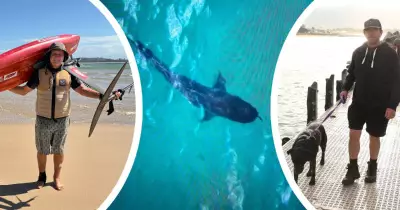
Over the past week, numerous shark sightings have led to beach closures from Woonona to Kiama, heightening public anxiety. This comes after three separate shark attacks occurred in Sydney within just two days, including a harrowing incident involving 12-year-old Nico Antic in Sydney Harbour and another where Andre de Ruyter, a member of the Austinmer Surf Club, suffered leg injuries off North Steyne Beach.
Bull sharks, identified as responsible for these attacks, are known for their aggressive and territorial nature. Heavy rainfall has created murky waters along the coast, which bull sharks prefer, leading to increased activity in areas such as Wollongong, Kiama, Shellharbour, Port Hacking, Cronulla, Maroubra, Coogee, Culburra, and Jervis Bay.

SMART Drumline Disruptions Detailed
According to the NSW government's SharkSmart website, SMART drumlines were out of action in Shellharbour on January 15, 16, 17, 18, and 21. In Kiama, the systems were offline on January 15, 16, 17, 18, and 22, while Wollongong experienced disruptions on January 21. The Department of Primary Industries and Regional Development (DPIRD) attributed these failures to extreme weather conditions, including large swells and high winds, which made marine operations unsafe for deployment and retrieval.
A DPIRD spokeswoman explained, "SMART drumlines in various locations along the NSW coast could not be deployed over the last week due to extreme weather conditions, creating unsafe conditions for deployment, retrieval, rapid response, shark handling, and contractor safety. This affected not only Illawarra beaches but many other regions along the coast."
Technology and Monitoring Systems
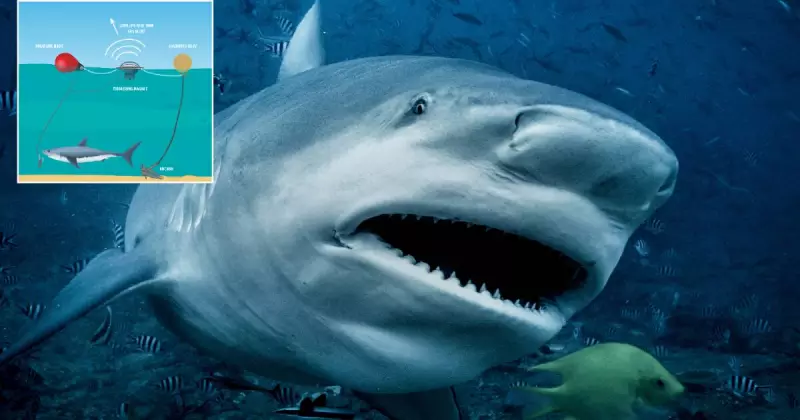
SMART drumlines utilize baited hooks that trigger alarms when a shark is caught, allowing government contractors to respond quickly, tag the shark, and relocate it offshore. These are complemented by "listening stations" that detect signals from tagged sharks and alert beachgoers via the SharkSmart website and app.
Despite the drumline outages, the listening stations remained operational. In Shellharbour, two bull sharks were detected over the past week, with one lingering throughout Tuesday, January 20. Kiama's station picked up a different bull shark on January 19, which had been originally tagged in Sydney Harbour back in March 2019.
The DPIRD confirmed that all 45 drumlines were restored to their Illawarra locations by Friday, and reports of bull shark sightings have diminished as water clarity improved.
Broader Implications for Coastal Safety
This situation underscores the vulnerabilities in shark protection measures, which include nets, drones, drumlines, and lifesavers. The recent incidents highlight the need for robust and weather-resilient systems to ensure public safety during peak holiday seasons and unpredictable marine conditions.
As communities rely on these technologies for early warnings and interventions, the temporary failures serve as a reminder of the challenges in balancing human safety with environmental management in Australia's coastal regions.