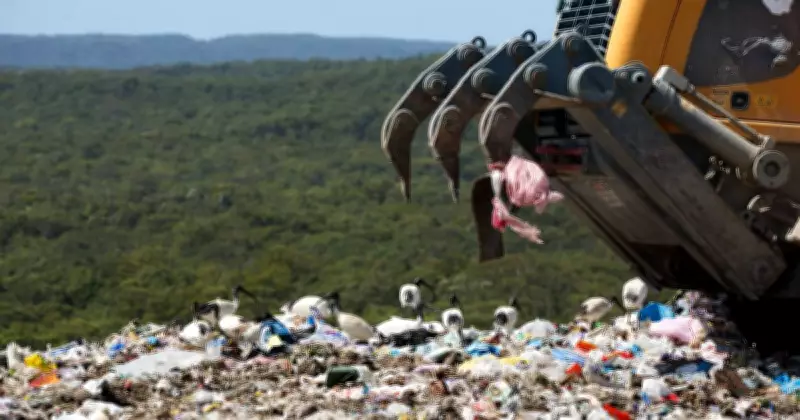
Lake Macquarie Council Confirms Awaba Waste Facility Will Reach Full Capacity by 2040s
Lake Macquarie City Council has issued a stark warning that the Awaba Waste Management Facility is on track to reach its full operational capacity by the 2040s. This projection has prompted the council to develop and implement a comprehensive new strategic plan aimed at addressing the looming waste management crisis. The facility, a critical component of the region's infrastructure, currently handles a significant portion of the area's waste disposal needs, making this capacity issue a pressing concern for local residents and environmental sustainability.
New Strategic Plan Unveiled to Mitigate Impending Crisis
In response to the capacity projections, Lake Macquarie Council has rolled out a detailed strategic plan designed to extend the lifespan of the Awaba Waste Facility and enhance waste management practices across the region. The plan includes a multi-faceted approach that focuses on increasing recycling rates, reducing overall waste generation, and exploring alternative disposal methods. Council officials emphasize that proactive measures are essential to avoid future disruptions in waste services and to align with broader environmental goals.
Key components of the new plan involve:

- Implementing advanced waste sorting technologies to improve recycling efficiency.
- Launching community education campaigns to promote waste reduction and proper disposal habits.
- Investigating opportunities for waste-to-energy projects and other innovative solutions.
- Collaborating with neighboring councils to develop regional waste management strategies.
Community and Environmental Implications
The capacity crisis at the Awaba Waste Facility carries significant implications for both the local community and the environment. If left unaddressed, the facility's full capacity could lead to increased waste disposal costs, potential service interruptions, and heightened environmental risks, such as landfill overflow and pollution. Lake Macquarie Council is urging residents to actively participate in waste reduction efforts, highlighting that collective action is crucial to mitigating these challenges.
Council representatives have stated that the new plan is not just about managing waste but also about fostering a sustainable future for Lake Macquarie. They note that the 2040s timeline provides a critical window for implementing changes, but immediate action is necessary to ensure long-term success. Public consultations and feedback sessions are planned to engage the community in the planning process, ensuring that the strategies reflect local needs and priorities.
Looking Ahead: Long-Term Solutions and Regional Impact
Beyond the immediate measures, Lake Macquarie Council is exploring long-term solutions to transform waste management in the region. This includes potential expansions or upgrades to the Awaba facility, as well as investments in circular economy initiatives that prioritize resource recovery and reuse. The council's efforts are part of a broader trend in Australia, where municipalities are increasingly grappling with waste management challenges due to growing populations and environmental concerns.
The success of this strategic plan could serve as a model for other councils facing similar capacity issues, underscoring the importance of forward-thinking planning in urban sustainability. As Lake Macquarie moves forward, ongoing monitoring and adaptation will be key to ensuring that the Awaba Waste Facility remains operational and effective well beyond the 2040s.