As a scorching heatwave grips the nation's capital, Canberra's public swimming pools have been pushed to their limits, with at least one facility forced to close its gates after reaching maximum capacity on Saturday, January 31. With the mercury soaring towards a blistering 40 degrees, residents flocked to aquatic centres in search of relief from the oppressive conditions.
Pool Capacity Strained Under Intense Heat
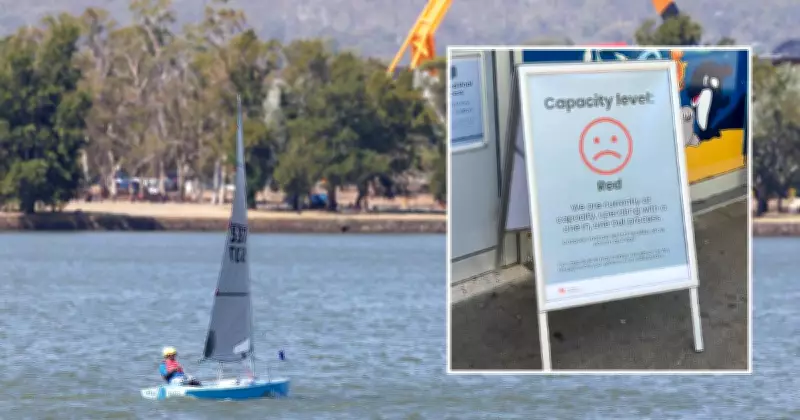
Dickson Pool, located in Canberra's inner north, became a focal point of the heatwave response when it reached full capacity by 11:30 am. Management implemented a strict one-in, one-out policy to manage the overwhelming demand from heat-affected residents seeking refuge in the cool waters. The situation remained tense for several hours before finally easing around 1 pm, when visitor numbers decreased sufficiently to allow normal operations to resume.
Temperature Records Continue to Climb
The Bureau of Meteorology recorded alarming temperature readings across multiple monitoring stations throughout the day. Canberra Airport registered 39.2 degrees at 1:30 pm, with the apparent temperature feeling like 34.6 degrees due to humidity levels. Meanwhile, the Tuggeranong weather station had already surpassed 39.6 degrees and was continuing its upward trajectory. Official forecasts predicted the capital would reach a peak of 41 degrees around 3 pm, marking one of the hottest days of the current heatwave event.

City Life Persists Despite Extreme Conditions
Remarkably, Canberra's streets remained active despite the dangerous heat levels. At midday, pedestrians could still be seen navigating the city centre, with sunlight reflecting dramatically off construction sites along Northbourne Avenue and London Circuit. Construction workers continued their duties in direct sunlight, with one thoughtful individual distributing an esky full of ice blocks to colleagues around 12:30 pm in a gesture of workplace solidarity.
Extended Heatwave Conditions Test Resilience
Saturday marked the sixth consecutive day of heatwave conditions across the Australian Capital Territory, following Wednesday's peak of 43 degrees. The prolonged period of extreme heat has placed significant strain on infrastructure, public services, and community wellbeing. Emergency services have been on high alert throughout the week, monitoring vulnerable populations and responding to heat-related incidents.
Cool Change Brings Hope for Relief
Meteorologists have forecast a welcome cool change to sweep across the region on Sunday, February 1, offering much-needed respite from the relentless heat. The anticipated temperature drop is expected to bring conditions back to more manageable levels, though authorities continue to urge residents to exercise caution and implement appropriate heat safety measures until the change arrives.
The combination of extreme temperatures and high demand for cooling facilities highlights the growing challenges Australian cities face during increasingly frequent and intense heatwave events. As climate patterns continue to evolve, urban planning and emergency response strategies must adapt to ensure public safety during such extreme weather episodes.