More than eight hundred households in Canberra's Weston Creek area were left without electricity during the peak of Wednesday afternoon's scorching heat. The power outage occurred at approximately 1pm, disrupting daily activities as temperatures continued to climb across the region.
Evoenergy Responds to Transformer Failure
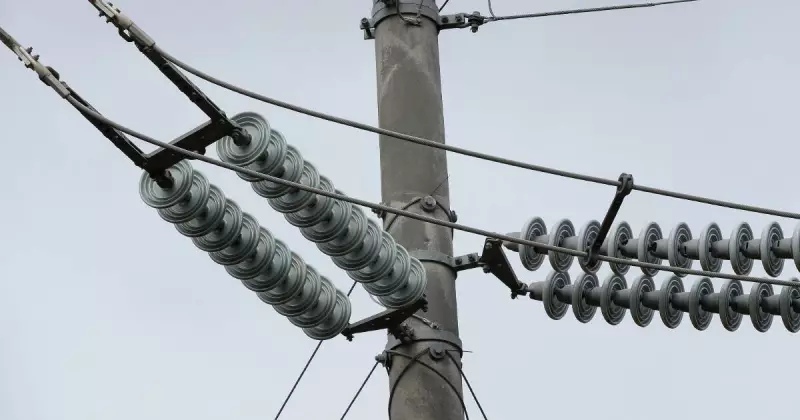
Energy provider Evoenergy confirmed that the immediate cause of the blackout was a transformer failure. While the company acknowledged that the extreme heat could have been a contributing factor, they emphasised that it was too early to definitively link the two.
Evoenergy manager Mark Kerr explained that transformer failures can occur in all weather conditions. "Animal activity or age-related wear could also be responsible," he stated, highlighting the complexity of diagnosing such incidents.

Swift Restoration Efforts
By 2pm, restoration teams had successfully returned power to all but forty-two affected customers. The company implemented emergency protocols to reroute electricity through alternative pathways, minimising the duration of the disruption for most residents.
This rapid response demonstrates Evoenergy's commitment to maintaining service reliability even during challenging environmental conditions. The remaining customers were expected to have their power restored shortly after the initial recovery phase.
Heatwave Challenges Infrastructure
The outage occurred as Canberra experienced significantly elevated temperatures, placing additional strain on electrical infrastructure. Such extreme weather events test the resilience of power networks designed to operate within specific thermal parameters.
While individual transformer failures are not uncommon, their occurrence during heatwaves raises important questions about infrastructure preparedness for increasingly frequent extreme weather patterns. Energy providers must balance routine maintenance with the unexpected demands of climate variability.
Residents affected by the outage were advised to stay hydrated and seek cooler environments where possible until power restoration was complete. The incident serves as a reminder of the interconnectedness between weather extremes and essential service reliability in urban environments.