Cyclone Narelle Forces 22 People and Two Dogs into Extended Shelter Near Exmouth
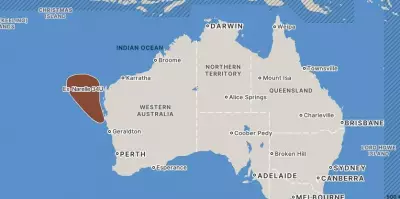
A tense 20-hour ordeal unfolded for a group of 22 individuals and two dogs who sought refuge in a purpose-built cyclone shelter just outside Exmouth as Tropical Cyclone Narelle unleashed its fury on the region. The group, which included Amanda Kailis, hunkered down in the recreation room starting at 4pm on Thursday, bringing along essential supplies to weather the natural disaster.
This marked the second time in as many months that Ms. Kailis was compelled to bunker down, following the earlier impact of Category 2 Cyclone Mitchell, which brought damaging winds and rain to the area. "We were able to get our process and procedures reviewed and in place, ready for this one," she remarked. "This is the big one that we’ve been expecting."
Shelter Conditions and External Observations
Inside the shelter, the group faced power outages and relentless battering from wind and rain, with gusts reaching up to 190km/h. Their only glimpse of the outside world was through a small peephole. "It’s been a long evening," Ms. Kailis noted. "We haven’t left the recreation room so I can’t step out and have a look and tell you what the damage is. We have seen there does appear to be a surge of the water. It’s just been a very long day and a long night."

She reported that the shelter was hit by the edge of the cyclone's eye, evident from changes in water direction on the windows. Despite the harrowing conditions, morale remained high among the group, thanks to adequate provisioning and regular contact with the State Emergency Service (SES) and Department of Fire and Emergency Services (DFES).
Criticism of Public Information Systems
Ms. Kailis expressed disappointment with the public information provided by the Bureau of Meteorology, stating that their safety was largely due to lessons learned from Cyclone Mitchell. "We’ve been following the BoM website, which won’t tell us when we can go out but they’ll tell us how fast the cyclone is moving," she said. "A lot of people have expressed disappointment in the lack of information. But once you’re in a cyclone, you know you’re in a cyclone. We don’t need to be told we’re in a cyclone."
Echoing these concerns, Karratha Mayor Daniel Scott highlighted issues with the DFES warning system. He pointed out inconsistencies, such as Cyclone Mitchell having a red alert despite being less severe, while Narelle was on a watch and act alert with sustained winds of 110km/h. "We probably should have been on red alert because at that stage you know and no one knows if a cyclone is going to turn further south or not," Mr. Scott argued. "Dampier went on red alert. Dampier is only 20km away from Karratha."
Impact and Aftermath
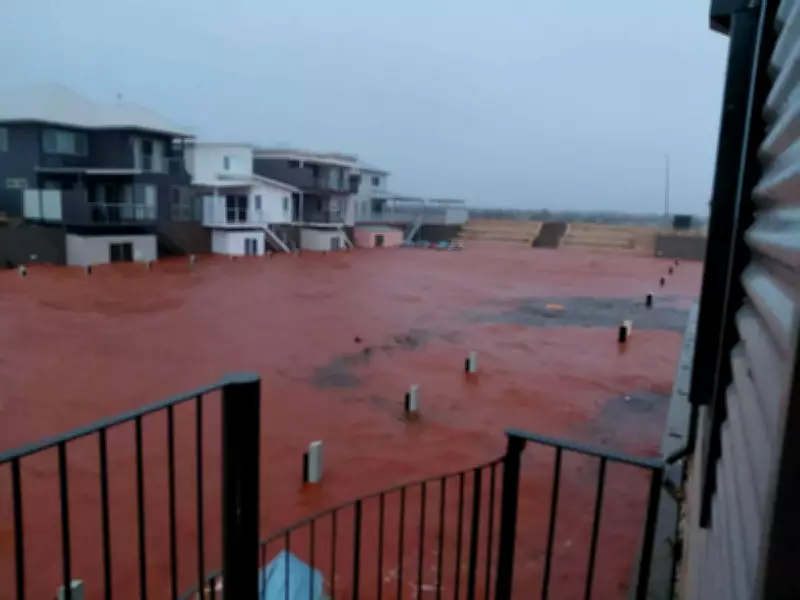
Initial assessments suggest that nearby houses and properties have not suffered extensive damage, but trees have been completely stripped by the storm's force. The community's resilience was tested, yet the shelter provided a crucial safe haven during the cyclone's peak.
As the region begins to recover, questions linger about the effectiveness of emergency communication and warning protocols, underscoring the need for improved systems to better protect residents in future cyclonic events.