Conservation experts have issued a dire warning that the endangered Littlejohn's tree frog faces likely extinction due to the construction of the Hunter Transmission Project in New South Wales. This critical alert comes as only three vital populations of the endemic species are known to exist nationwide, including within the Watagan State Forest.
Imminent Threat to Breeding Stronghold
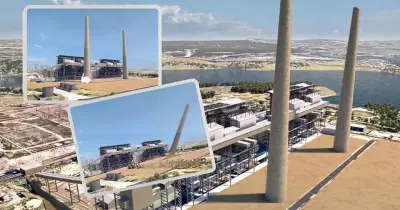
A coalition led by wildlife charity Aussie Ark believes EnergyCo's plans to build a substation directly within the forest will impact what is considered the most significant remaining breeding stronghold for the species. Managing director Tim Faulkner emphasised the gravity of the situation, stating this is not a debate about renewable energy but about whether progress should come at the permanent cost of extinction.
"We have been unable to secure direct engagement with the NSW Minister for Climate Change, Environment and Energy," Mr Faulkner said. "Our correspondence has been redirected through advisers and multiple departments, creating a diffuse, multi-agency process that appears focused on expediting project approval rather than confronting the very real risk of losing a species forever."

Scientific Consensus and Biodiversity Impact
The University of Newcastle, alongside independent experts and conservation organisations, supports Aussie Ark's assessment. The science is clear: the most important remaining population of this frog sits directly in the path of development. This concern follows a warning from the Australian Biodiversity Council last year, which described the proposed route connecting Bayswater and Eraring power stations via a new 500 kilovolt overhead transmission line as "very poor from a biodiversity perspective."
The council estimated the project would affect:
- 66 threatened species
- 7 threatened ecological communities
- Cause significant and irreversible impacts to 8 plant species, 6 animal species, and 2 ecological communities
Conservation Efforts and Urgent Timeline
Aussie Ark has recently joined a formal breeding and rewilding program for the Littlejohn's tree frog initiated by the University of Newcastle following the catastrophic bushfires of 2019 to 2020. This program was established to safeguard the species and rebuild populations pushed to the brink.
"This is a frog that was expected to disappear quietly, without most Australians ever knowing it existed," Mr Faulkner noted. "It has not, and we certainly will not allow that to happen. If the Littlejohn's Tree Frog has no voice within this process, then we will be that voice."
He stressed the timeline is now critical, with a very small window measured in weeks to secure an outcome that allows both essential infrastructure and this species to coexist. The organisation is calling on the community to stay engaged as developments unfold.
Project Refinements and Alternative Solutions
An EnergyCo spokeswoman stated that every effort would be made to avoid and minimise impacts to the most valuable areas of the natural environment as the project moves into the detailed design phase. "We're committed to working closely with ecologists to assess and mitigate impacts on the sensitive frog species in the proposed corridor," the spokeswoman said.
This work has resulted in refinements that would avoid 60 of 62 breeding ponds. Route adjustments to date have reduced vegetation clearing by more than 200 hectares compared with the initial design and avoided over 100 hectares of valuable ecological communities and key habitats for at-risk species.
However, conservation groups have identified nine alternative sites for the substation that would be more expensive but would not result in the species' possible extinction. Aussie Ark has formally asked Energy and Environment Minister Penny Sharpe to direct EnergyCo to relocate the substation away from this critical habitat.
The Hunter Transmission Project remains subject to planning approval, leaving a narrow opportunity for intervention to prevent what experts fear could be irreversible loss of Australia's unique biodiversity.