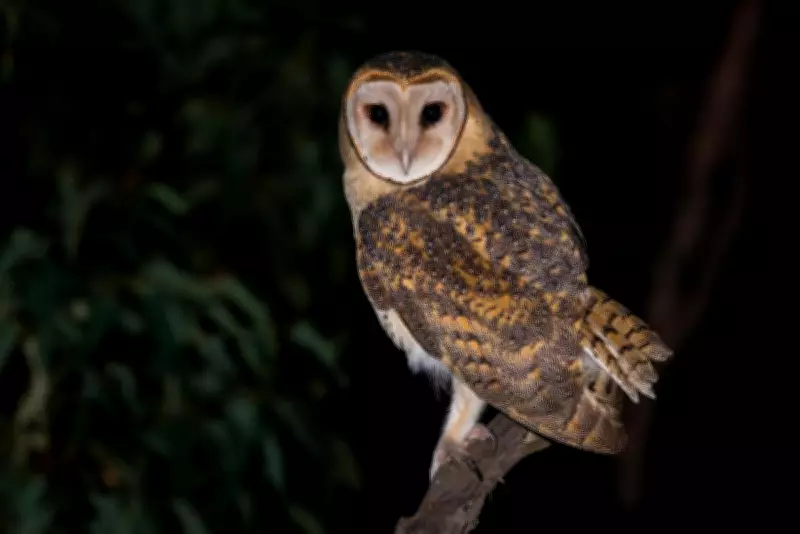
Rat Poison Poses Deadly Threat to Australian Birdlife
In a stark revelation, research from Edith Cowan University has uncovered a tragic link between rat poison and the deaths of 13 masked owls. Detailed liver tests confirmed that all the birds contained lethal or toxic levels of rodenticides, highlighting a severe environmental hazard.
Regulatory Action to Protect Wildlife
On March 10, the Australian Pesticides and Veterinary Medicines Authority took a significant step by declaring second-generation anticoagulant rodenticides as restricted chemical products. This decision, influenced by the ECU study, aims to enforce tighter controls on purchase and use, requiring specific training and licensing for access.
Currently, these toxic substances are easily available at hardware stores and supermarkets, raising concerns about their impact on vulnerable ecosystems. The study found that all 13 owls showed exposure to these persistent poisons, which have also been detected at lethal levels in species like Tasmanian devils, possums, quolls, and even the critically endangered Carnaby’s black cockatoo.

How Rodenticides Harm the Food Chain
These poisons act as slow killers, with poisoned rodents remaining active for weeks before dying. As they weaken, they become easy prey for predators such as owls and family pets. When birds consume contaminated rats, toxins accumulate in their livers, leading to weakness, disorientation, and secondary causes of death like starvation, infection, or vehicle strikes—a common fate for many owls in the study.
The problem extends beyond birds, with exposure documented in reptiles, frogs, fish, and threatened marsupials, demonstrating how rodenticides move destructively through the food chain.
Safer Alternatives for Rat Control
To mitigate risks, experts recommend using safer rat baits that minimize secondary poisoning. Key options include:
- Bayer Racumin (Coumatetralyl): Highly recommended due to its safety margin for owls.
- Ratsak Naturals: Contains salt (sodium chloride), offering a non-toxic alternative.
- Parafarm Ratex (Coumatetralyl): A first-generation anticoagulant with reduced risks.
- Yates Ratsak Double Strength Bait Station: Designed for controlled application.
Rodenticides to avoid include products with ingredients like brodifacoum, bromadiolone, difethialone, difenacoum, or flocoumafen, such as Talon, Fast Action Ratsak, and The Big Cheese Fast Action.
Additional Tips for Gardeners
For more information on wildlife-friendly rodent control, visit resources like owlfriendly.org.au/rodent-control and actforbirds.org/ratpoison. In the garden, consider these tasks:
- Sow seeds of broccolini, cauliflower, and kale for planting at the end of March.
- Water garden beds before applying liquid fertilisers to prevent root burn.
- Prune zucchini leaves touching the soil to control powdery mildew.
This proactive approach not only protects birdlife but also supports healthier local ecosystems, urging a shift towards safer pest management practices.