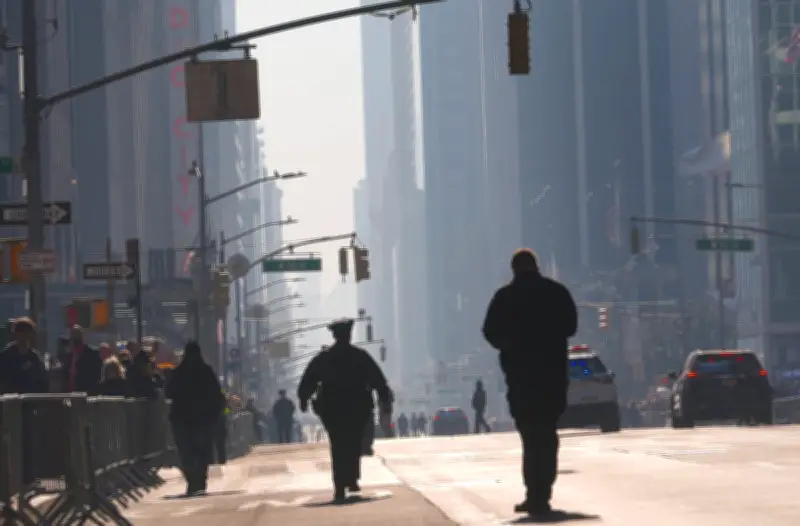
A first-of-its-kind peer-reviewed study has found that exposure to common air pollution may cause childhood obesity by disrupting children's ability to control impulses. Researchers from Mt Sinai's Icahn School of Medicine identified impulse control as a potential pathway linking the neurotoxin PM2.5 to obesity.
Study Details and Findings
The study examined 434 children born largely between 2007-2008 in Mexico City, part of a longitudinal health study. Researchers modeled ambient PM2.5 levels during pregnancy and the children's first year of life, which co-author Jamil Lane described as a "very sensitive window" for brain development. Children were later assessed for impulsivity and obesity measures.
Results showed that babies exposed to higher levels of PM2.5 during their first year were more likely to develop difficulties with controlling impulses later in childhood. These behavioral changes were then linked to higher body fat and higher BMI in children between four to eight years old. The group with the highest PM2.5 exposure exhibited a pattern of high impulsivity, reflecting significant deficits in inhibitory control.

Mechanism and Implications
"Our study is novel in that we are showing that high levels of air pollution early in life may cause more difficulty with self-regulation, which contributes to weight gain," said Lane. The study's authors wrote that the effect "is likely due to altered eating behaviors related to inhibitory control that are programmed early in life."
PM2.5 is a pollutant composed of microscopic particles from sources like traffic emissions and burning fossil fuels. It is considered a probable carcinogen and linked to dementia, strokes, and other health problems. Previous research has shown PM2.5 has obesogenic properties that can disrupt metabolism. About 42% of American adults were estimated to be obese in 2018.
Expert Commentary and Policy Implications
"A lot of the obesity research primarily focuses on diet and physical activity, and may not include environmental exposures, including air pollution," Lane noted. Bob Wright, a study co-author and environmental epidemiologist at Mt Sinai, said the authors wondered if PM2.5's neurotoxic effects and obesity were "part of the same processes."
Cecilia Moura, a clean transportation scientist with the Union of Concerned Scientists not involved in the study, called the research sound and said the novel findings "indicate there is sufficient evidence supporting the correlation to motivate policies and regulations that mitigate exposure to PM2.5."
Protective Measures and Limitations
People can reduce exposure with home HEPA air filtration systems, furnace filters rated Merv 13 or higher, and DIY box fan filters. Parents should avoid high congestion areas and stay indoors during heavy wildfire smoke. However, Wright emphasized that individuals cannot fully protect themselves, and policy solutions are needed. "There is not going to be change if people are not aware and lobbying for it, but policy change takes a long time and there are things we can do to protect ourselves," he said.
The study acknowledges limitations including a small population size and limited covariates, but provides novel evidence linking early-life PM2.5 exposure to childhood obesity through impaired impulse control.