TGA Launches Public Consultation to Overhaul Sunscreen Regulation in Australia
Australia's medical watchdog, the Therapeutic Goods Administration (TGA), is seeking public feedback to improve the regulation of sunscreen products. This move follows a shocking consumer investigation last year that revealed most sunscreen brands were not meeting their stated Sun Protection Factor (SPF) claims.
CHOICE Investigation Exposes Widespread SPF Failures
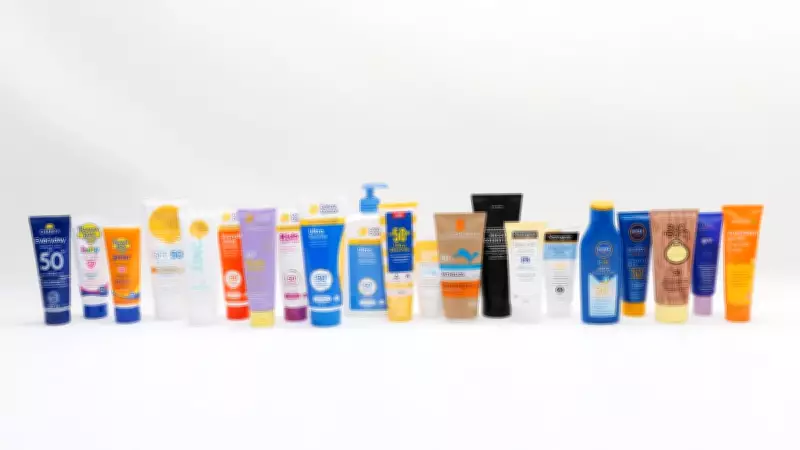
Consumer advocacy group CHOICE conducted rigorous testing on the SPF50 claims of twenty popular sunscreens. Alarmingly, sixteen of these products failed to meet the thresholds advertised on their labels. Sun Protection Factor is a critical measure of how effectively sunscreen protects the skin from harmful ultraviolet (UV) rays. For context, SPF 50 is designed to protect against approximately ninety-eight percent of UV radiation.
Among the most concerning results was Ultra Violette's Lean Screen SPF 50+ Mattifying Zinc Skinscreen, which recorded an SPF of just four. Additionally, three products from the Cancer Council, Australia's leading cancer charity, recorded results under SPF 30. These findings triggered a fierce backlash from consumers and manufacturers alike, with some companies disputing the claims or labeling the report as misleading.

Regulatory Gaps and Immediate Consequences
In response to the investigation, several manufacturers quietly began pulling their stock from shelves. The TGA initiated its own inquiry, leading to the recall of more than twenty sunscreen products. The TGA has now released a comprehensive consultation paper outlining multiple options for enhancing sunscreen regulation across the nation.
The paper highlights significant regulatory gaps in the current framework. Presently, companies are not required to submit their SPF testing data to the TGA when listing their products, nor must they make this information publicly available to consumers. Furthermore, manufacturers only need to test the base formula for SPF, not the final market-ready product. This lack of oversight means there is limited transparency regarding the evidence supporting SPF claims, both for regulators and the public.
The TGA noted that after a product's formulation is scaled up for commercial manufacturing, sponsors typically do not retest the SPF performance of the final batches. This practice has led to situations where companies fail to conduct new SPF testing even when a formulation may no longer be representative of their sunscreen.
Proposed Reforms to Restore Consumer Confidence
The TGA's consultation paper proposes several key reforms to address these issues. Options include implementing better oversight of testing laboratories, improving the reliability and transparency of SPF testing procedures, and establishing more consistent formulation quality standards. These measures aim to close the alarming regulatory gaps that currently rely on the good faith of companies.
Given that Australia has the highest rates of skin cancer and melanoma in the world, with about two thousand deaths annually, the TGA emphasized that it is critical to ensure regulatory settings are appropriate to maintain consumer confidence in sunscreens. The proposals are intended to strengthen confidence in sunscreen performance and, if accepted, would be implemented in a proportionate and targeted manner.
Industry and Advocacy Responses
CHOICE campaigns director Andy Kelly expressed satisfaction that the TGA is taking action following the consumer body's investigation. He stated that proposals to improve and expand testing requirements, require accreditation for testing laboratories, and increase transparency will help restore consumer trust in the reliability of SPF claims. While CHOICE does not support all options, such as replacing the current SPF numbering system, Kelly commended the TGA for its proactive stance.
The TGA is now inviting feedback from consumers, industry stakeholders, and other interested parties to shape the future of sunscreen regulation in Australia. This public consultation represents a significant step toward ensuring that sunscreen products on the market deliver the protection they promise, ultimately safeguarding public health against the dangers of UV exposure.