

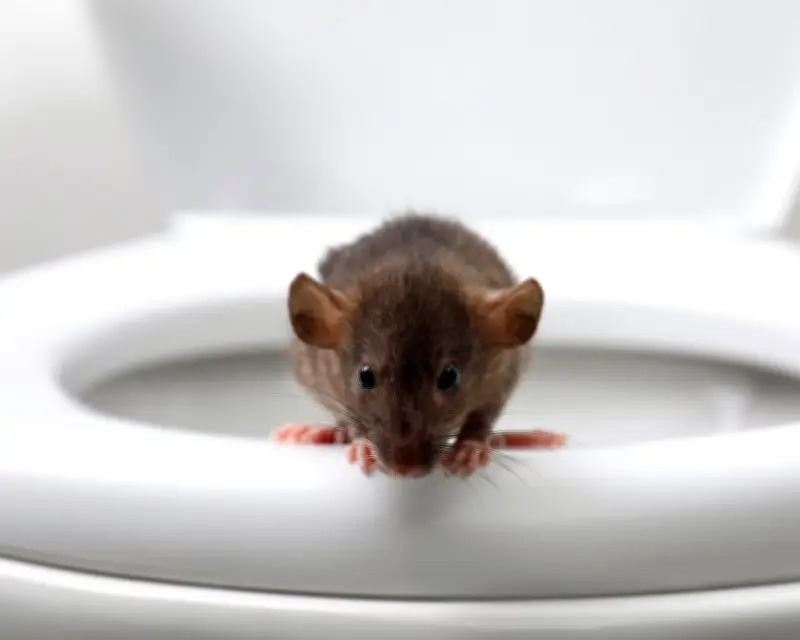
Imagine sitting down on your toilet in the middle of the night, only to be greeted by a pair of glowing eyes staring back at you from the bowl. It sounds like a horror movie, but for many homeowners, this is a terrifying reality. Rats can and do enter homes through toilet pipes, using the sewer system as a highway. While it's rare, it's not impossible, and knowing how to check and prevent it can save you from a traumatic experience.
How Rats Get Into Toilets
Rats are excellent swimmers and can hold their breath for up to three minutes. They can travel through sewer lines and push up through the water trap in your toilet. According to pest control experts, this usually happens when there is a break or crack in the sewer pipe, or if the toilet is not used frequently, allowing the water in the trap to evaporate and remove the barrier. The key factor is the condition of your plumbing: older homes with cast iron pipes are more susceptible to corrosion and gaps.
Signs You Might Have a Rat in Your Toilet
If you suspect a rat may have taken up residence in your plumbing, look for these signs: scratching noises from the bathroom, especially at night; droppings around the toilet base; gnaw marks on the toilet seat or nearby pipes; and a foul, musky odor. If you see bubbles rising in the toilet bowl when you flush other fixtures, that can indicate a blockage or air pocket caused by a rat. The most obvious sign, of course, is actually seeing the rat.

What to Do If You Find a Rat
If you encounter a rat in your toilet, do not flush it. Flushing can cause the rat to become trapped and drown, but it can also push it further into your plumbing system. Instead, close the lid and call a professional pest control service. They can safely remove the rat and inspect your sewer lines for entry points. If you are brave, you can try to trap it using a bucket or a towel, but it is best to leave it to experts. The most important step is to identify and seal any cracks in your pipes.
Prevention Tips
To prevent rats from entering your toilet, keep your bathroom clean and free of clutter. Use your toilet regularly to maintain the water seal. Install a one-way valve or a rat flap in your sewer line, which allows water to flow out but prevents animals from coming in. Check your sewer pipes for cracks and repair them promptly. Also, ensure that your home's ventilation pipes are covered with mesh to prevent rats from entering from the roof. According to the National Pest Management Association, sealing entry points and reducing moisture are the most effective long-term strategies.
The Reality of the Risk
While the thought of a rat in the toilet is alarming, the actual risk is low. Most rats prefer to stay in the sewer system where food is abundant. However, during heavy rains or when sewer systems are overwhelmed, rats may seek higher ground. Older homes with tree root intrusion in pipes are at higher risk. Regular plumbing maintenance is your best defense. If you are still worried, consider a motion-activated light or a camera in your bathroom—at least you'll have a warning.