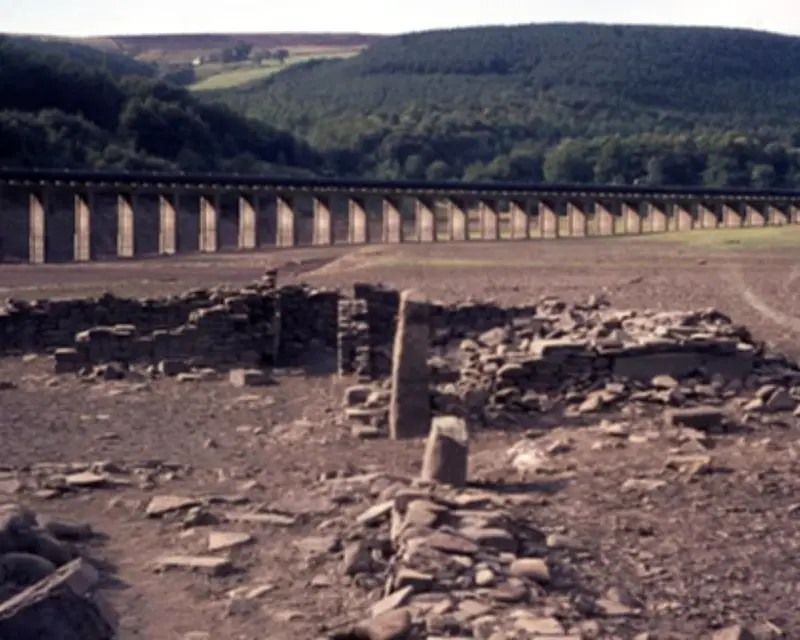
Guardian readers have been sharing their vivid memories of the 1976 UK heatwave, a record-breaking drought that not only seared itself into the national consciousness but also reshaped water conservation policies and public awareness of climate extremes. The summer of 1976 saw temperatures soar above 32°C for 15 consecutive days, with the UK experiencing its driest period since records began in 1727.
Personal accounts of a sweltering summer
Many readers recalled the relentless heat and the struggle to stay cool. 'We had no air conditioning, and the only relief was a dip in the local lido or a garden sprinkler – but soon even those were banned due to water restrictions,' wrote Sarah Thompson from Bristol. Others remembered the eerie sight of parched landscapes and dying trees. 'The grass turned brown and cracked, and the reservoirs looked like dusty craters,' said James Carter from Kent.
Impact on daily life and infrastructure
The heatwave caused widespread disruption. Water supplies dwindled, leading to standpipes in the streets and rota cuts. 'I remember queuing for hours with buckets to collect water from a tanker,' recalled Margaret Ellis from London. The drought also sparked a surge in garden insect pests and a rise in hospital admissions for heatstroke and dehydration. According to the Met Office, the 1976 heatwave remains one of the most extreme weather events in UK history, with average temperatures 2.5°C above the long-term norm.

Legacy and lessons for today
The event prompted the establishment of the National Drought Group and stricter water conservation measures. 'It made everyone realise that water isn't infinite,' noted reader David Hughes. Climate scientists now point to 1976 as a precursor to more frequent and intense heatwaves driven by climate change. 'What was once a once-in-a-century event is now becoming a regular occurrence,' commented Dr. Emily Jones, a climate researcher at the University of Oxford.
Readers reflect on change
Many readers expressed concern about the increasing frequency of such events. 'Back then, we thought it was a freak occurrence. Now we know it's a sign of things to come,' wrote Linda Green from Manchester. The memories serve as a stark reminder of the need for resilience planning and sustainable water use. As one reader put it, '1976 was a wake-up call. We need to listen before it's too late.'