Navigating Vietnam: A Traveler's Hard-Earned Insights
Last year, I had the privilege of visiting Vietnam twice within a short span, first in August and then again in November. While I've shared many stories about the enchanting destinations, highlights, and people, this article delves into the finer details—the small surprises and lessons learned the hard way that truly shaped my experience. From airport chaos to weather quirks, here's everything you need to know before embarking on your own Vietnamese adventure.
Airport Chaos: The Reality of Connecting Flights
If you're flying from Perth to Vietnam, be prepared for a journey that isn't straightforward. Most travelers use Ho Chi Minh City or Hanoi as hubs, but reaching Hanoi from Perth poses a unique challenge. Shockingly, there are no direct flights, forcing passengers to transit through Tan Son Nhat International Airport in Ho Chi Minh City, known for its chronic congestion.
On my second trip, I faced endless queues that stretched for over an hour at immigration, followed by confusing signage between terminals and additional lines for check-in and security. In total, I spent about three hours standing, a grueling experience that highlighted the lack of special accommodations for seniors or families. From an 8am departure in Perth, I didn't arrive at my Hanoi hotel until 11pm—a marathon day of travel.

This wait time is standard at Tan Son Nhat, though some opt for connections via Singapore or Bangkok for a smoother, albeit costlier, journey. Relief may come with the opening of Long Thanh International Airport later this year. Until then, my advice is to leave at least four hours between connecting flights, wear comfortable clothing, and carry water and snacks. Don't let this deter you from Hanoi, though—it's a fantastic destination worth the hassle.
Essential Vietnamese Phrases and Cultural Nuances
Upon arrival in Vietnam, you'll quickly hear xin chao (pronounced "sin chow"), meaning hello. This cheerful greeting echoes throughout your trip, from hotel staff to shopkeepers, and learning it can enhance your experience. Other useful phrases include cam on (thank you) and xin loi (excuse me). Even a small effort to speak Vietnamese is appreciated and can enrich your interactions.
Understanding Vietnam's Diverse Weather Patterns
Vietnam's elongated shape, stretching over 1600km from north to south, means weather varies dramatically by region and season. On my August visit, Hue in central Vietnam was scorching hot, while November in Yen Tu brought storms that canceled cable car rides. There's no single best time to visit; instead, tailor your trip to regional conditions.
As a general guide, the north—including Hanoi, Halong Bay, and Ninh Binh—is best in spring (March to April) and autumn (September to November) for milder temperatures. Central areas like Hue and Hoi An can be intensely hot mid-year and prone to storms from September to November. The south, including Ho Chi Minh City and Phu Quoc, is warm year-round with heavy rains from May to October. For multi-region trips, shoulder months like March, April, or October offer a balance, but always expect surprises from Mother Nature.
Phu Quoc: A Resort Island with Mixed Impressions
Phu Quoc, a trending destination, presents a complex picture. The JW Marriott Phu Quoc Emerald Bay Resort & Spa offers an immersive luxury experience with stunning beaches and extensive amenities, ideal for families. However, much of the island feels like a construction zone, with European-style developments encroaching on pristine land, often sitting vacant and lacking cultural depth.
This rapid development has sparked concerns about sustainability and ecotourism, with social media users noting ghost town-like areas. While the resort is a highlight, visitors should temper expectations and consider the environmental impact of their stay.

Dried Mango and Cash Considerations
Don't leave Vietnam without trying dried mango, a flavorful snack from the Mekong Delta. It's widely available in markets and offers a perfect sweet-tangy balance. As for money, while cards are increasingly accepted, having cash on hand is wise for tips and markets. I learned this the hard way in Hue, where ATMs were scarce, forcing a last-minute scramble. Exchange some currency before departure to avoid similar pitfalls.
Vegan-Friendly Dining and Street Crossing Tips
Vietnam is surprisingly accommodating for vegans, with many restaurants offering plant-based menus influenced by Buddhist traditions. I found ample options, from vegan banh mi to regional rice dishes, without feeling restricted. Gluten-free choices are also readily available.
Crossing the street in Vietnam requires confidence, as traffic flows continuously. The key is to step out steadily and trust that motorbikes will adjust around you. Hesitation can disrupt the rhythm, so commit and keep moving—it becomes easier with practice.
Ninh Binh vs. Halong Bay: A Scenic Showdown
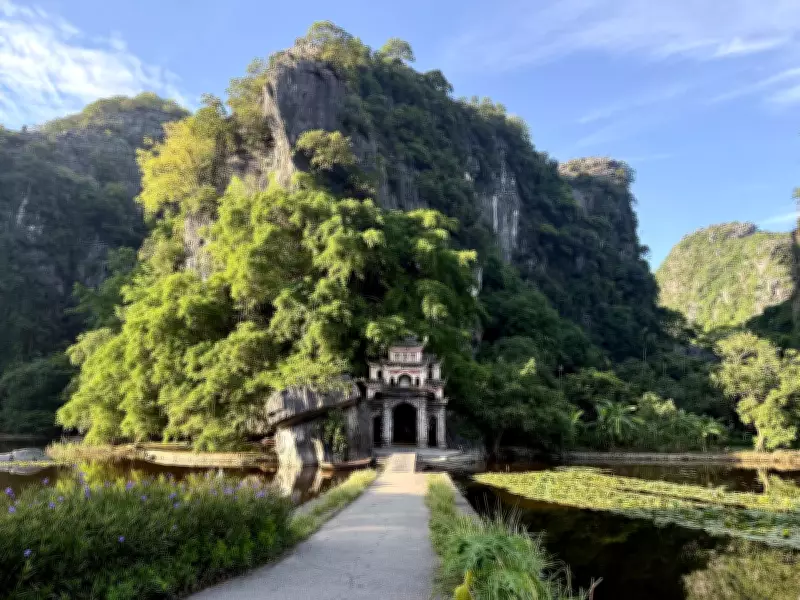
When choosing between Halong Bay and Ninh Binh, I lean toward the latter for a more serene experience. Halong Bay is famous for its limestone karsts but can be overcrowded and polluted. Ninh Binh, often called "Halong Bay on land," offers similar stunning scenery with added charm—think caves, pagodas, rice paddies, and rural hospitality.
My day in Ninh Binh included a bike ride through the countryside and a row boat excursion through hidden channels, showcasing landscapes used in films like Kong: Skull Island. It's a must-visit for those seeking authenticity and tranquility.
In summary, Vietnam is a land of contrasts and surprises. By planning for airport delays, respecting weather patterns, and exploring beyond the obvious, you can unlock a truly memorable journey. Embrace the chaos, savor the flavors, and let the country's warmth guide you.